
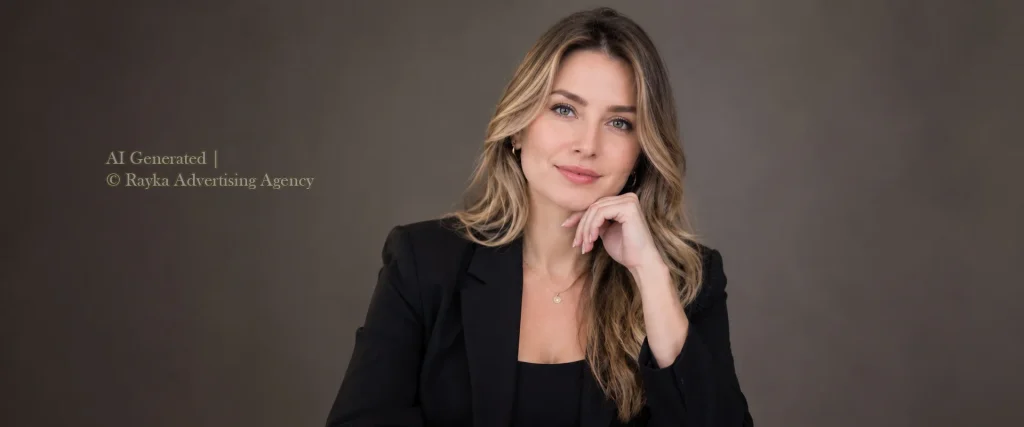
Your personal brand is often the first impression people have of you before they ever meet you. Whether you’re an entrepreneur, coach, consultant, business owner, or professional building your online presence, the right images can help communicate your personality, expertise, and what makes you different.
Personal branding photography is a strategic approach to creating professional images that showcase who you are, what you do, and the values behind your brand. Beyond traditional headshots, it can include lifestyle portraits, behind-the-scenes moments, workplace images, and photographs that tell the story of your business.
But how do you plan a photoshoot that feels authentic, looks professional, and gives you images you can actually use across your website, LinkedIn profile, and social media?
In this guide, we’ll walk you through everything you need to know about personal branding photography, from choosing the right photo ideas and outfits to preparing for your session, selecting a location, and understanding what to look for in a photographer.
At J Light Photography Studio, we believe your images should do more than look good they should reflect your personality, support your professional goals, and help you build a consistent visual identity. Whether you’re refreshing your brand or starting from scratch, this guide will help you plan a photoshoot that feels true to you and your business.
What Is Personal Branding Photography?
Personal branding photography is a collection of professional images designed to communicate who you are, what you do, and what makes your business or professional identity unique. Rather than focusing on a single portrait, it captures different aspects of your personality, expertise, work environment, and brand values to create a consistent visual identity.
These images can be used across your website, LinkedIn profile, social media, marketing materials, and other platforms where people discover and connect with you. Whether you’re building a business from the ground up or refreshing an established brand, personal branding photography helps you present yourself in a way that feels professional, authentic, and recognizable.
Personal Branding Photography vs. Professional Headshots
Although personal branding photography and professional headshots are closely related, they serve different purposes. A professional headshot typically focuses on presenting you clearly and confidently in a single image, while personal branding photography creates a broader collection of images that tells a more complete story about you and your work.
Understanding the difference can help you decide which type of photography best suits your professional goals.
| Feature | Professional Headshots | Personal Branding Photography |
| Main purpose | Present a polished, professional image | Communicate your personality, expertise, and brand story |
| Types of images | Primarily close-up or upper-body portraits | Portraits, lifestyle images, working shots, and environmental portraits |
| Background and setting | Often a simple backdrop or studio setting | May include a studio, office, outdoor location, or workspace |
| Visual storytelling | Focuses on your professional appearance | Shows how you work, what you do, and what makes you distinctive |
| Common uses | LinkedIn profile, company directory, speaker biography | Website, LinkedIn, social media, marketing campaigns, and brand storytelling |
| Best suited for | Professionals who need a strong, consistent profile photo | Entrepreneurs, business owners, and professionals who need a versatile image library |
A professional headshot can be an important part of your personal brand, but it may not provide all the images you need to communicate your business effectively. If you want photographs that show your personality, working style, and professional environment alongside polished portraits, personal branding photography offers a more comprehensive approach.
How Personal Branding Photos Tell Your Brand Story?
People often form an impression of a business or professional before making direct contact. Your photographs help shape that impression by giving your audience a visual sense of who you are, what you offer, and what they can expect from working with you.
- A well-planned personal branding photoshoot brings together several types of images, each serving a different purpose:
- Professional portraits introduce you to your audience and help establish a recognizable face for your brand.
- Lifestyle images communicate your personality, working style, and the experience of working with you.
- Behind-the-scenes photographs offer a glimpse into your process, helping potential clients understand how you approach your work.
- Workspace and environmental portraits provide context about your profession and the environment in which you work.
- Details and action shots show the tools, products, or activities that make your work distinctive.
Together, these images create a more complete picture of your professional identity. For example, a business coach might use a confident portrait on their website’s About page, a working photograph in a LinkedIn post, and a relaxed lifestyle image on social media. Each photograph communicates a slightly different aspect of the same brand.
The goal isn’t simply to have more professional photos. It’s to create a consistent visual story that helps the right people recognize your expertise, connect with your personality, and understand the value you bring.
Who Needs Personal Branding Photography?
Personal branding photography can benefit anyone whose professional reputation, services, or expertise plays an important role in attracting clients and building relationships. It’s particularly valuable for professionals who rely on their online presence to introduce themselves, communicate their value, and establish trust with potential customers. You may benefit from a personal branding photoshoot if you’re a:
- Entrepreneur or small business owner who wants to build a recognizable brand and create a more personal connection with potential customers.
- Coach, consultant, or mentor who needs professional images that communicate expertise, approachability, and credibility.
- Realtor or real estate professional who wants consistent, recognizable imagery for their website, property-related content, and social media.
- Creative professional or freelancer who wants to showcase their personality, process, and individual approach to their work.
- Corporate professional or executive who wants to strengthen their professional presence across LinkedIn, company websites, speaking engagements, and industry publications.
- Content creator or personal brand entrepreneur who needs a versatile collection of images for social media, collaborations, and marketing campaigns.
- Service-based business owner who wants prospective clients to understand the person behind the business before reaching out.
Personal branding photography can also be a smart investment when you’re launching a new business, updating your website, repositioning your brand, or preparing for a new stage in your career.
If your audience needs to understand not only what you do but also who you are and why they should work with you, a thoughtfully planned collection of professional images can help you communicate that message more clearly.
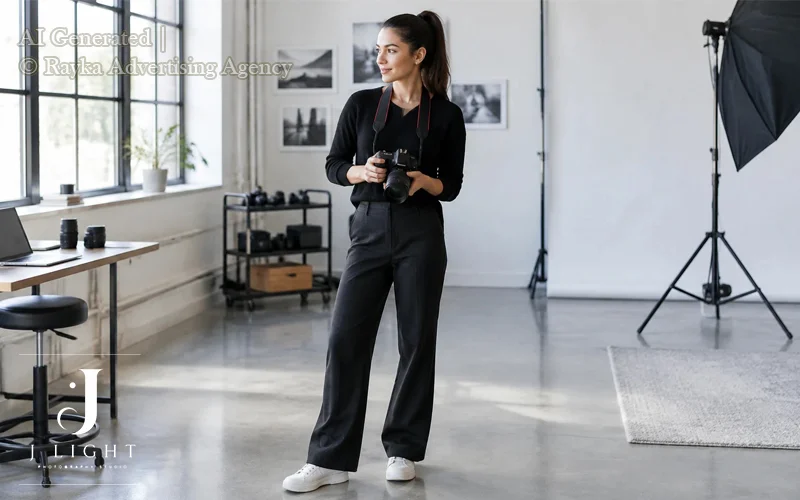
Why Personal Branding Photography Matters for Your Business?
Your photos are often the first introduction people have to your business. Professional personal branding photography helps you communicate your personality, showcase your expertise, and create a consistent image across your website, social media, and marketing materials.
Whether you’re an entrepreneur, consultant, or business owner, the right images can help potential clients understand who you are and what makes your brand different.
Build Trust and Credibility
Professional photos help potential clients put a face to your name and get a sense of the person behind your business. This is especially important for service-based professionals, where trust plays a key role in the decision to work together.
For example, a welcoming portrait on your About page, combined with photos of you working, can make your business feel more personal and approachable. The goal is to look professional while remaining authentic to who you are.
Create a Consistent Brand Identity
Consistent imagery helps people recognize your brand across different platforms. Using photos with a coordinated style, colour palette, and overall mood creates a more cohesive professional presence.
For example, a wellness coach might choose natural light and relaxed portraits, while a corporate consultant may prefer polished images in a professional setting. Your photos should reflect your brand personality and appeal to your target audience.
Support Your Website, LinkedIn and Social Media
A personal branding photoshoot can provide images for multiple platforms, helping you maintain a professional online presence without relying on the same photo everywhere.Consider how you’ll use your images:
- Website: Portraits for your About page and images for service pages.
- LinkedIn: Professional headshots and photos for posts or articles.
- Social media: Lifestyle portraits and behind-the-scenes content.
- Email marketing: Images for newsletters, introductions, and service announcements.
- Advertising: Brand images for campaigns, promotional graphics, and landing pages.
Planning these uses in advance helps ensure you have the right mix of portrait, vertical, and horizontal images for your marketing needs.
Build a Reusable Library of Brand Images
Instead of arranging a new photoshoot every time you need fresh content, you can build a collection of images to use throughout the year. A well-planned brand photography library might include portraits, workplace photos, lifestyle images, and behind-the-scenes shots.
These images can support website updates, new service launches, social media posts, and marketing campaigns. Before your session, consider your upcoming business goals and share them with your photographer so the images are useful beyond the day of the shoot.
The result is a versatile collection of professional photographs that helps you communicate your brand consistently while saving time on future content creation.
Personal Branding Photography Ideas: What Should You Capture?
A successful personal branding photoshoot includes more than a few professional portraits. The best image collection combines different styles of photography to showcase your personality, expertise, work environment, and brand story. Here are six personal branding photography ideas to consider when planning your session.
Signature Portraits and Professional Headshots
Signature portraits are the essential images of your personal brand. They introduce you to your audience and help create a recognizable, professional presence across your website, LinkedIn, and marketing materials.
Choose a mix of close-up headshots and wider portraits with natural expressions and backgrounds that reflect your brand. These images should feel polished while still looking like you.
Lifestyle Branding Photography
Lifestyle branding photography captures you in natural, everyday moments that reflect your personality and professional lifestyle. Examples include working at a laptop, meeting a client, reading in your workspace, or enjoying a coffee between tasks.
These images help your audience connect with the person behind the business and add variety to your website and social media content.
Behind-the-Scenes and Working Shots
Behind-the-scenes photographs show what you do and how you do it. They might capture you preparing for a consultation, creating a product, planning a project, or working with a client.
These images are especially useful for service-based businesses and creative professionals who want to give potential clients a better understanding of their process and expertise.
Environmental Portraits and Workspace Images
Environmental portraits combine professional photography with the setting where you work. Your office, studio, clinic, or creative workspace can provide context and reinforce your professional identity.
For example, a consultant photographed in a modern office communicates a different atmosphere from an artist photographed in their studio. Choose locations that feel relevant to your work and the audience you want to reach.
Brand Details, Products and Tools of Your Trade
Small details can help tell a bigger brand story. Include photographs of your products, work materials, equipment, branded packaging, or other objects that are meaningful to your profession.
A designer might feature sketches and materials, while a business coach could incorporate a notebook, laptop, or planning tools. These images add visual variety and work well alongside portraits in website sections, social media posts, and marketing campaigns.
Vertical and Horizontal Images for Different Platforms
Your photos should be planned around where you’ll use them. Capturing both vertical and horizontal images gives you more flexibility when designing your website, updating your social profiles, or creating promotional content.
- Vertical images: Useful for Instagram Stories, Reels covers, Pinterest, and many mobile-first layouts.
- Horizontal images: Ideal for website banners, blog headers, presentation slides, and wider layouts.
- Square images: Practical for profile graphics, social media posts, and selected promotional designs.
Ask your photographer to capture a variety of compositions, including some with clear space around the subject for text overlays. This makes it easier to adapt your images to different marketing needs without cropping out important details.
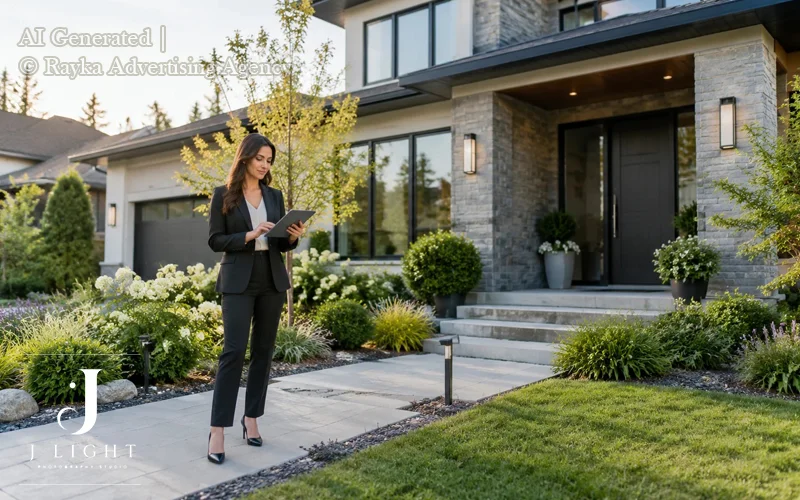
How to Prepare for a Personal Branding Photoshoot?
Preparing for a personal branding photoshoot helps you get images that reflect your personality, communicate your expertise, and support your business goals. Before your session, think about your brand message, the images you need, your outfits, and where the photos will be used.
Define Your Brand Message and Audience
Start by identifying what you want people to understand about you and your business. Consider your values, expertise, personality, and the clients you want to attract. Ask yourself:
- What do I want my brand to be known for?
- Who is my ideal audience?
- What three words describe my brand personality?
- What should potential clients feel when they see my photos?
Your answers will guide decisions about styling, location, poses, and the overall look of your images.
Choose the Images Your Business Needs
Think about where your photos will appear before planning the shoot. Your website may need welcoming portraits, while LinkedIn may require a polished headshot and social media may benefit from more relaxed, behind-the-scenes images. Make a list of your priorities, such as:
- A professional headshot for LinkedIn
- Portraits for your About page
- Images for your services or sales pages
- Lifestyle photos for social media
- Behind-the-scenes images that show your work
- Promotional images for upcoming launches or campaigns
Sharing these needs with your photographer helps ensure your session produces practical images, not just attractive portraits.
Create a Personal Branding Photoshoot Shot List
A shot list keeps your session organised and helps you make the most of your time. Include a mix of close-up portraits, full-body images, working shots, and details that represent your business.
For each image, note its intended use and preferred orientation. For example, you might need a horizontal image for your website banner and a vertical portrait for social media. Your photographer can help refine the list based on your goals, available time, and location.
Plan Your Outfits, Props and Brand Colours
Choose outfits that reflect your professional identity and feel comfortable to wear. Solid colours, simple patterns, and well-fitting clothing often photograph well. Consider bringing two or three outfit options if your session allows for changes.
Coordinate your clothing with your brand colours without making every item match exactly. Bring relevant props, such as a laptop, notebook, product, camera, or tools you regularly use in your work.
Avoid anything that feels distracting or unlike your usual style. The goal is to look polished while still looking like yourself.
Choose the Right Location
Your location should support the story you want your photos to tell. Depending on your profession and brand style, you might choose an office, studio, rented space, outdoor setting, or your own workplace.
Consider lighting, background distractions, accessibility, privacy, and whether the space offers enough variety for different shots. If you are photographing clients or colleagues, confirm permissions in advance.
Discuss location options with your photographer before the session so you can plan for the best light and suitable backdrops.
Plan Your Content for Website and Social Media
Think beyond the photoshoot itself. A well-planned session can provide images for your website, LinkedIn profile, social media posts, email newsletters, and future marketing campaigns.
Ask for a useful mix of vertical, horizontal, and square compositions. Images with some clear space around you can also work well for website banners or graphics with text.
Plan a few upcoming content needs before the shoot, such as a service launch, website refresh, or social media campaign. This helps you capture relevant images while you are already in front of the camera.
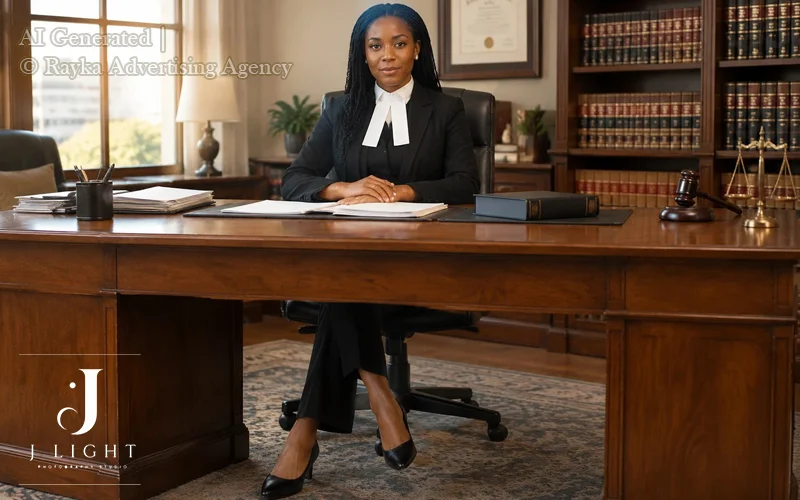
What to Wear for a Personal Branding Photoshoot?
Choosing the right outfit for a personal branding photoshoot helps you look confident, professional, and authentic. Your clothing should reflect your brand personality, suit your audience, and complement the locations and colours used in your photos.
You don’t need an entirely new wardrobe. A few well-chosen outfits that fit comfortably and reflect your everyday professional style can create a versatile collection of images.
Choose Outfits That Reflect Your Brand Personality
Start by considering how you want your audience to perceive you. Your outfits should feel consistent with your profession and the personality of your brand.
For example, a corporate consultant may prefer tailored clothing and structured pieces, while a creative entrepreneur might choose more expressive colours and relaxed styles. If your brand is warm and approachable, comfortable fabrics and softer colours may suit your image.
Choose clothing that makes you feel confident rather than following trends that don’t reflect who you are. The best personal branding photos look polished without feeling unlike you.
How Many Outfits Should You Bring?
For most personal branding sessions, two to three outfits offer a useful balance of variety and efficiency. The ideal number depends on your session length, location changes, and the range of images you need. Consider bringing:
- A professional outfit: Ideal for headshots, LinkedIn, and your website’s About page.
- A smart-casual outfit: Useful for approachable portraits and lifestyle branding photos.
- A signature look: An outfit that reflects your personality, creative style, or brand colours.
Coordinate your outfits so the final images feel consistent. Before the session, ask your photographer how much time is available for outfit changes.
Choosing Colours, Patterns and Accessories
Colours and styling choices influence the overall mood of your photographs. Select shades that complement your brand identity, skin tone, and shooting location. Keep these tips in mind:
- Colours: Choose colours that suit your brand palette, but avoid forcing every outfit to match it exactly.
- Patterns: Simple patterns and solid colours are often versatile. Very small prints or busy patterns can sometimes distract from your face.
- Accessories: Watches, jewellery, glasses, scarves, or other signature items can add personality when they feel natural to your style.
- Fit: Well-fitting clothing helps you look polished and feel comfortable when posing.
- Logos and graphics: Avoid prominent logos or slogans unless they are relevant to your business or brand.
- Grooming: Prepare clothing in advance, remove visible lint, and bring any essentials needed for quick touch-ups.
If you’re unsure about an outfit, take a quick photo of yourself wearing it and review how it looks on camera. You can also share outfit options with your photographer before the session.
Outfit Ideas for Different Professions
Your ideal outfit depends on your industry, audience, and personal style. Use these examples as starting points rather than strict rules.
| Profession | Outfit ideas | Overall impression |
| Consultants and coaches | Smart-casual separates, tailored jackets, simple tops | Knowledgeable, approachable, and trustworthy |
| Entrepreneurs and business owners | A polished everyday look plus a signature outfit | Confident, authentic, and distinctive |
| Real estate professionals | Tailored trousers, blazers, dresses, or refined business-casual clothing | Professional, confident, and welcoming |
| Corporate managers and executives | Structured jackets, classic shirts, suits, or elegant business attire | Credible, polished, and leadership-focused |
| Creative professionals | Modern silhouettes, distinctive colours, textures, or statement accessories | Original, expressive, and memorable |
Whatever your profession, choose clothing that feels appropriate for your audience while allowing your personality to come through. If your brand is more relaxed than traditional corporate styling, your photos should reflect that.
Before your personal branding photoshoot, lay out your outfits together and check that the colours and styles work well as a collection. This small step can help your final images look cohesive across your website, LinkedIn, and social media.

Personal Branding Photography Poses and Tips for Camera-Shy Professionals
You don’t need to know how to pose to get great personal branding photos. If you feel awkward in front of the camera, you’re not alone. Many professionals feel more comfortable working with clients or speaking about their expertise than posing for photographs.
The key is to choose poses that feel natural and reflect how you work. With a little preparation and clear direction from your photographer, your photos can look professional without feeling stiff or overly staged.
Natural Standing and Seated Poses
Simple poses are often the best place to start, especially if you’re not used to being photographed. Small adjustments to your posture, hands, and body angle can make a portrait feel more relaxed. Try these ideas:
- Standing portraits: Turn your body slightly to one side, relax your shoulders, and keep your hands in a comfortable position.
- Seated portraits: Sit comfortably with an upright but relaxed posture. Rest your hands naturally on your lap, a desk, or an armrest.
- Walking shots: Take a few slow steps while looking ahead or slightly away from the camera for a more candid feel.
- Looking away from the camera: Direct your gaze toward a window or another point in the room for variety.
- Relaxed headshots: Experiment with a natural smile and a neutral expression to create different looks for your website and professional profiles.
You don’t have to hold every pose perfectly. Small movements between shots can help you look more comfortable and natural.
Working and Lifestyle Poses
You can also use activities from your everyday professional life to make posing feel easier. Instead of focusing entirely on the camera, let your work provide a natural point of focus. Depending on your profession, you might:
- Review notes or work on a laptop.
- Write in a notebook or plan a project.
- Arrange products or demonstrate your process.
- Prepare for a meeting or consultation.
- Walk through your workspace or interact with relevant tools.
These working and lifestyle poses are particularly useful for personal branding photography because they show more than what you look like. They offer a glimpse of your professional world and help communicate your personality and expertise.
Choose activities that genuinely reflect your work. Natural, meaningful actions usually feel more authentic than pretending to do something unrelated to your business.
How to Look Natural and Confident on Camera?
Looking confident in photographs doesn’t mean forcing a smile or maintaining perfect posture throughout the session. It often comes down to feeling prepared, staying relaxed, and having enough variety to find expressions that suit you. Here are a few practical tips:
- Practise beforehand: Try a few expressions and angles in front of a mirror or with your phone camera.
- Wear something comfortable: Clothing that fits well and feels like you can make it easier to relax.
- Focus on a conversation: Thinking about your work, clients, or what you enjoy about your business can help your expressions feel more genuine.
- Take breaks when needed: A short pause can help you reset if you start feeling tense.
- Don’t aim for perfection: A range of expressions and natural movements often produces more useful images than trying to look flawless in every frame.
If you’re camera-shy, tell your photographer before the session. You can discuss which images you need, what makes you feel comfortable, and whether you’d prefer to begin with simple portraits before moving on to more active shots.
At J Light Photography Studio, you can introduce the idea of guided posing as part of the client experience if this reflects the studio’s actual process. Clear direction on posture, body positioning, and expressions can help clients feel less uncertain about what to do in front of the camera. Rather than expecting you to arrive knowing how to pose, the goal is to create images that feel professional while still reflecting who you are.
Remember, your personal branding photos should represent you, not a version of yourself that feels unnatural. The most effective poses are the ones that support your brand message while allowing your personality to come through.
Where Should You Take Your Personal Branding Photos?
The right location can make your personal branding photos feel more authentic and connected to your business. Whether you prefer a polished studio portrait, images in your workplace, or an outdoor setting, choose a location that reflects your brand personality and the clients you want to attract.
At J Light Photography Studio, personal branding sessions can include studio-style portraits, workplace images, and on-location photography, depending on your goals and session plan.
Studio vs. Office vs. Outdoor Photography
Each location creates a different look and serves a different purpose:
- Studio photography: Ideal for polished portraits, professional headshots, and clean backgrounds with controlled lighting.
- Office or workplace photography: Shows you in your professional environment, whether you’re consulting, creating, meeting clients, or working on a project.
- Outdoor photography: Adds natural light, visual variety, and a more relaxed atmosphere. Urban settings can also give your images a sense of place.
You don’t necessarily have to choose just one. Combining locations can provide a more varied collection of images for your website, LinkedIn, and social media. Consider your brand style, available time, lighting, and intended use before making a decision.
Personal Branding Photography in Ottawa
J Light Photography Studio offers personal branding photography in Ottawa for entrepreneurs, professionals, creatives, and business owners. Sessions can be planned around your brand story, with portraits, lifestyle images, workplace photography, and environmental portraits that reflect how you work.
Your office, studio, or a suitable urban setting may provide the right backdrop, depending on the look you’re aiming for. The goal is to create images that feel relevant to your business rather than relying on generic backgrounds.
Personal Branding Photography in Montreal
J Light Photography Studio also offers personal branding photography in Montreal. A session can focus on professional portraits, lifestyle branding images, and photographs that connect your work and personality with a meaningful environment.
Depending on your brand, a workplace, creative space, or urban location may help tell your story. Before the shoot, consider where you feel most comfortable and which settings best represent your business and audience.
Choosing a Location for Personal Branding Photos in Toronto
If you’re planning a personal branding photoshoot in Toronto, start by identifying the setting that best supports your brand. A professional office may suit a consultant or executive, while a creative workspace or outdoor urban environment may be a better fit for an entrepreneur or artist. Before choosing a location, consider:
- Brand fit: Does the setting reflect your profession and personality?
- Background: Is it visually appealing without distracting from you?
- Lighting: Is there enough natural light, or will additional lighting be needed?
- Practicality: Can you access the location, change outfits, and work comfortably there?
- Image variety: Can the setting provide several useful compositions for your website and social media?
J Light Photography Studio’s published personal branding service information specifically highlights Ottawa and Montreal. Contact the studio directly to confirm whether a Toronto session can be accommodated before making plans.
How Much Does Personal Branding Photography Cost?
The cost of personal branding photography depends on several factors. When comparing photographers, consider what is included in the session and how well the service matches your business needs.
- Session length: Longer sessions allow time for outfit changes, multiple poses, and a wider variety of images. A shorter session may be sufficient if you only need a few professional portraits.
- Number of final images: Packages that include more edited photographs may cost more. Consider how many images you realistically need for your website, LinkedIn, and social media.
- Photographer’s experience: A photographer’s expertise in personal branding, lighting, posing, and visual storytelling can influence their rates. Review their portfolio to assess whether their style suits your brand.
- Location and travel: Studio sessions, workplace shoots, and outdoor locations may have different costs. Travel fees, studio rental, parking, or location permits can also affect the total.
- Number of locations and outfit changes: Moving between locations or planning several looks may require additional time and coordination, which can increase the session cost.
- Professional editing and retouching: Pricing may depend on the level of editing included, such as colour correction, skin retouching, and image refinement. Check how many edited images you will receive.
- Hair and makeup services: Professional hair styling or makeup may be available as an additional service. These can be useful if you want a polished, consistent look throughout the session.
- Usage rights and licensing: Ask how you can use the final images, particularly for commercial advertising, promotional campaigns, or other business purposes. Make sure the usage terms match your intended needs.
- Additional services and deliverables: Rush editing, extra retouched images, printed products, or additional formats may incur separate fees. Confirm what is included before booking so you can compare packages accurately.
How to Choose the Right Personal Branding Photographer?
Choosing a personal branding photographer is about more than finding someone who takes great portraits. You need a photographer who understands your business goals and can create images that communicate your personality, expertise, and brand identity. Before booking, review their work, ask about their process, and make sure the final images will meet your marketing needs.
Review the Photographer’s Portfolio
A photographer’s portfolio helps you understand their experience and the types of images they create. Look for a range of portraits, lifestyle photographs, working shots, and environmental images relevant to your profession.
Pay attention to whether the people in the photos look natural and whether the images tell a clear story about their work. If possible, look for examples featuring professionals or businesses with goals similar to yours.
Explore the J Light Photography Studio personal branding photography portfolio to see examples of the studio’s work and assess whether its approach suits your brand.
Look for a Consistent Visual Style
A strong portfolio should demonstrate a clear approach to lighting, composition, colour, and posing. Consistency helps you understand what to expect from your own session and whether the photographer’s style fits your brand.
For example, a business aiming for a polished corporate image may prefer clean backgrounds and structured portraits, while a creative brand may benefit from more expressive compositions and lifestyle photography.
Choose a photographer whose existing work aligns with the image you want to communicate, rather than assuming every style can be recreated equally well.
Ask About Planning, Direction and Final Deliverables
Before booking, understand what happens before, during, and after the photoshoot. A clear process helps you prepare and ensures the session is designed around your priorities. Useful questions to ask include:
- Planning: Will we discuss my brand message, audience, outfits, and shot list before the session?
- Posing and direction: Will you provide guidance on poses, expressions, and positioning during the shoot?
- Locations: Can we discuss suitable studio, workplace, or outdoor settings?
- Final images: How many edited photographs are included, and how will they be delivered?
- Turnaround time: When can I expect to receive the finished images?
- Usage rights: Can I use the photographs on my website, LinkedIn, social media, and marketing materials?
Review the package details carefully so you understand what is included and whether additional services may cost extra.
Make Sure the Images Match Your Brand Goals
The right photographer should understand how you plan to use your images and help you create a collection that supports those goals. If you’re updating your website, you may need a mix of welcoming portraits, horizontal banner images, and photographs that illustrate your services. If LinkedIn is your priority, professional headshots and approachable portraits may be more important.
Before your session, identify your main objectives and share them with your photographer. This makes it easier to plan the right shots, locations, and compositions.
Ultimately, choose a photographer whose portfolio, communication, and working process give you confidence. Your personal branding photos should do more than look professional they should help your audience understand who you are, what you do, and why your business is worth connecting with.
Why Choose J Light Photography Studio for Personal Branding Photography?
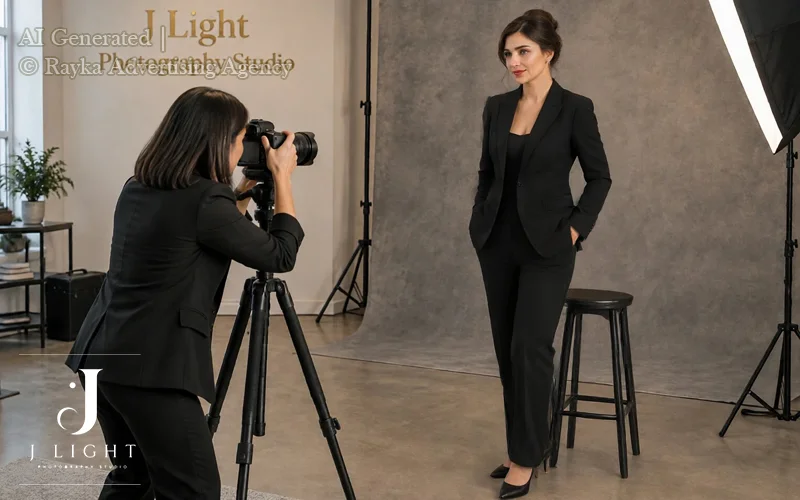
Your personal brand deserves images that reflect who you are, what you do, and how you want your audience to see you. J Light Photography Studio takes a story-driven approach to personal branding photography, creating professional portraits and brand images planned around your business and content needs.
A Story-Driven Approach to Branding Photography
Beyond traditional headshots, your session can include lifestyle portraits, working shots, environmental images, and details that communicate your professional story.
Images Planned Around Your Business Goals
The process includes planning your visual direction around your brand, intended audience, outfits, locations, and where you’ll use your photos. The studio also describes guided posing and expression coaching as part of its photography experience, helping you feel more comfortable in front of the camera.
Personal Branding Photography in Ottawa and Montreal
J Light Photography Studio offers personal branding photography in Ottawa and Montreal, with options designed for entrepreneurs, consultants, creatives, and other professionals
Ready to plan your session? Contact the studio to discuss your goals, preferred location, and the images your business needs.
Final Thoughts
Personal branding photography is an opportunity to show your audience who you are, what you do, and what makes your business distinctive. With the right preparation, outfits, locations, and a clear shot list, you can create a versatile collection of images for your website, LinkedIn, and social media.
You don’t need to be a professional model to look confident in your photos. Start by defining your brand goals and choosing images that reflect your personality and expertise.
FAQs
The length depends on your package, number of outfits, and locations. A shorter session may be enough for a few portraits, while a more comprehensive shoot allows time for lifestyle images and different looks.
It depends on your content needs. Start with a selection of professional portraits, website images, and social media photos. A mix of vertical and horizontal images gives you more flexibility across platforms.
No. You don’t need previous posing experience. Discuss your concerns with your photographer and ask whether posing guidance is included to help you feel more comfortable during the session.
Yes, provided your image-use agreement covers these uses. Before booking, confirm the usage rights and request a variety of compositions suitable for professional profiles, website pages, and social media.
Booking several weeks ahead is a useful starting point, especially if you need a specific date or location. Allow extra time if you need to coordinate outfits, hair and makeup, or a website launch.
Get in touch with us through our contact form to discuss your personal branding photography needs. We’ll talk about your goals, explore your ideas, and determine a photoshoot plan that suits your brand and business needs.
Leave a Reply