

Corporate Event Photography Tips can help businesses capture important moments, showcase their brand, and create professional images for marketing and internal communications. From conferences and networking events to executive meetings and corporate celebrations, effective event photography requires careful planning and an understanding of the venue, lighting, and event schedule.
Choosing the right photographer is only one part of the process. Preparing a shot list, identifying key speakers, and discussing your expectations before the event can help ensure that the final images reflect your company’s goals. Whether you are organizing a conference in Ottawa, Montreal, or Toronto, these tips will help you prepare for a successful corporate photography experience.
1. Define Your Corporate Event Photography Goals Before Booking
Before booking a corporate event photographer, define what you want your images to achieve. Clear goals help you choose the right coverage, prioritize important moments, and make the most of your photography budget.
Identify How You Will Use Your Event Photos
Think about where you plan to publish your corporate event photos. Images for your company website, LinkedIn, press releases, and marketing campaigns may require different compositions and formats. If you need photos for sponsor reports or internal communications, let your photographer know so they can capture the right people, branding, and activities.
Determine the Most Important Moments to Capture
Create a short list of essential moments before the event. Depending on your program, this may include keynote speakers, panel discussions, audience reactions, networking conversations, executive portraits, award presentations, and sponsor interactions. Share the event schedule and identify key people in advance, especially when important moments happen only once.
Set Your Photography Priorities and Budget
Your photography budget should reflect the event’s size, schedule, and coverage requirements. Consider how many hours you need, whether multiple sessions take place simultaneously, and how quickly you need the final images. Discuss the expected deliverables, editing, and image usage rights with your photographer before booking to ensure the service meets your needs.
2. Create a Corporate Event Photography Shot List
A corporate event photography shot list helps ensure that your photographer captures the moments, people, and details that matter most to your organization. Before the event, share your schedule, identify priority shots, and explain any specific requirements for branding, sponsors, or key guests. Use the list as a guide while leaving room for spontaneous moments throughout the event.
Venue, Branding, and Room Setup
Start with photographs of the venue before guests arrive. Capture the room layout, stage, seating arrangement, entrance signage, branded displays, and sponsor logos to establish the event’s setting and identity. These images can also support post-event reports, marketing materials, and future event promotions.
Speakers, Presentations, and Panel Discussions
Make a list of keynote speakers, presenters, and panelists you need to feature. Ask your photographer to capture a variety of images, including close-ups of individual speakers, wider shots showing the stage and audience, and panel discussions with all participants clearly visible. Share the event schedule in advance so the photographer can prepare for important announcements, presentations, and award ceremonies.
Audience Reactions and Networking Moments
Professional corporate event photography should capture more than staged portraits and speakers at a podium. Candid images of attendees listening, applauding, asking questions, and connecting during networking sessions help communicate the event’s atmosphere and level of engagement. If you plan to use these photos for marketing, consider requesting both wide shots that show the room and closer images that highlight genuine interactions.
Executives, VIPs, Sponsors, and Group Photos
Identify the executives, VIPs, sponsors, and other key attendees whose presence matters to your organization. Share their names or reference photos with your photographer, and schedule any formal portraits or group photos in advance. For sponsor coverage, prioritize images that show branding alongside real interactions, such as guests visiting a booth or executives speaking with sponsor representatives.

3. Choose the Right Photographer for Your Corporate Event
Choosing the right corporate event photographer involves more than comparing prices or selecting a few impressive images. Look for someone who can consistently capture professional, usable photos in real event conditions and understands your organization’s goals. Before booking, review their work, discuss their experience, and confirm exactly what the photography service includes.
Review Relevant Corporate Event Photography Portfolios
Review a photographer’s portfolio to see how they handle conferences, networking events, executive meetings, and corporate celebrations. Look for consistent image quality, clear speaker portraits, well-composed venue shots, and natural interactions between attendees. If possible, ask to see a complete gallery from a similar event rather than judging their work by a handful of selected images.
Ask About Experience With Your Event Format
Different corporate events require different approaches to timing, lighting, and coverage. A photographer experienced in conferences may be well prepared for keynote presentations and panel discussions, while a multi-room event may require additional planning or a second photographer. Ask how they handle your specific venue, schedule, and photography requirements before making a decision.
Confirm Coverage Time, Deliverables, and Image Usage Rights
Before booking, clarify the coverage hours, number of photographers, expected deliverables, editing, and delivery timeline. Confirm whether you will receive high-resolution images for print and marketing, along with web-ready files for your website and social media. You should also review the image usage rights in your agreement to ensure they cover your intended uses, including corporate communications, press releases, advertising, and future event promotions where applicable.
4. Understand How Different Conference Venues Affect Photography
Every conference venue presents different challenges for corporate event photography. Lighting, room layout, audience size, and photographer access all influence the final images. Understanding these differences helps you plan coverage, coordinate with your venue, and ensure your photographer captures the most important moments.
Photography in Hotel Ballrooms and Banquet Halls
Hotel ballrooms and banquet halls often combine stage lighting, decorative fixtures, and dim ambient light. The photographer needs to capture the atmosphere while keeping speakers, guests, and branded displays clear and well-exposed. Before the event, discuss these details with your photographer and venue team:
- Stage lighting: Confirm that speakers receive enough light for clear, professional portraits.
- Flash restrictions: Check whether the venue or event program limits flash photography during presentations.
- Room setup: Allow time to photograph the stage, tables, decorations, and sponsor branding before guests arrive.
- Reception coverage: Plan for candid photos of networking, dining, and conversations in low-light areas.
Photography in Large Conference Halls and Auditoriums
Large conference halls and auditoriums require careful positioning because the photographer may need to capture both individual speakers and the scale of the audience. Long distances, fixed seating, and dramatic stage lighting can limit movement and affect image quality. To prepare for this type of venue, consider the following priorities:
- Wide and close-up shots: Capture the full stage and audience alongside detailed images of speakers and panelists.
- Photographer positioning: Confirm access to approved side aisles, the rear of the room, or a balcony where available.
- Audience engagement: Include reactions, applause, and question-and-answer sessions to show attendee participation.
- Screen visibility: Balance speaker exposure with presentation screens to preserve important visual details.
Photography in Boardrooms and Corporate Meeting Rooms
Boardrooms and corporate meeting rooms usually offer less space to move around, making composition and discreet coverage especially important. The photographer should capture natural interactions without distracting participants or exposing confidential information. Before the meeting, coordinate the following details:
- Room layout: Arrange seating to provide clear views of participants and avoid obstructed sightlines.
- Lighting conditions: Check window light, overhead fixtures, and reflections from glass walls or screens.
- Confidentiality: Identify documents, displays, or discussions that must not appear in photographs.
- Natural interactions: Prioritize listening, collaboration, presentations, and professional group portraits.
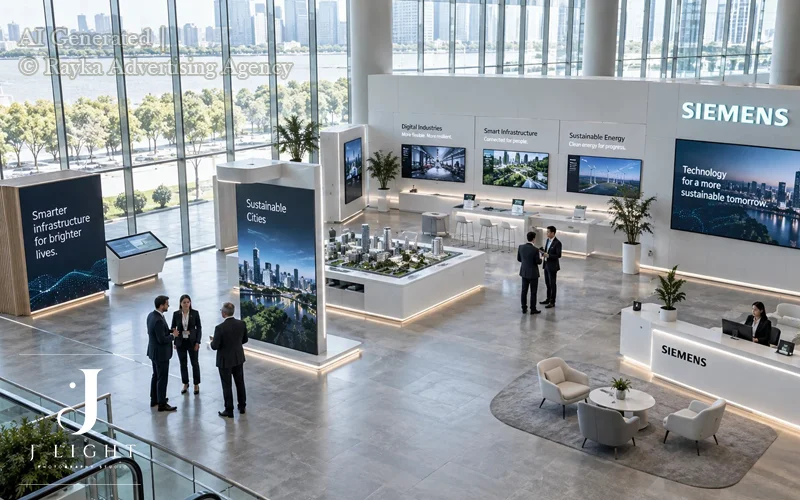
Photography in Trade Show Halls and Exhibition Spaces
Trade show halls and exhibition spaces often contain multiple booths, sponsor displays, product demonstrations, and busy networking areas. The main challenge is capturing meaningful interactions while keeping company branding visible and avoiding distracting backgrounds. A focused photography plan should include these priorities:
- Sponsor and exhibitor coverage: Identify priority booths, logos, and sponsorship commitments before the event.
- Product demonstrations: Capture attendees interacting with products and speaking with company representatives.
- Environmental portraits: Photograph staff and guests in front of branded displays when the background supports the image.
- Crowd management: Choose angles that communicate activity without allowing crowds or competing displays to overwhelm the subject.
Photography in University and Institutional Lecture Halls
University and institutional lecture halls often feature fixed seating, elevated stages, projection screens, and restrictions on movement during presentations. These conditions make advance planning important, particularly when the event includes formal speeches, panel discussions, or academic presentations. For better coverage, focus on these considerations:
- Restricted movement: Agree on suitable shooting positions before the session begins.
- Speaker and audience coverage: Capture the presenter, the wider room, and audience participation from different angles.
- Presentation screens: Coordinate with the audiovisual team to manage screen brightness and stage lighting.
- Institutional requirements: Confirm photography permissions and any rules governing identifiable attendees or sensitive presentations.
Photography in Hybrid and Multi-Room Conference Venues
Hybrid conferences and multi-room venues require additional coordination because speakers, attendees, and sessions may be spread across several spaces or take place simultaneously. A single photographer cannot fully cover two important moments happening in different rooms at the same time. Before booking, review the schedule and discuss the following arrangements:
- Simultaneous sessions: Consider assigning additional photographers when multiple rooms require full coverage at the same time.
- Room transitions: Allow enough time to move between spaces without missing important moments.
- Hybrid production: Coordinate with the audiovisual team to avoid obstructing cameras, screens, or streaming equipment.
- Coverage priorities: Identify which sessions, speakers, and networking areas need dedicated attention.
5. Plan for Lighting and Difficult Venue Conditions
Lighting conditions can significantly affect the quality of corporate event photos, especially in conference halls, hotel ballrooms, and presentation spaces. Discuss the venue’s lighting setup with your photographer in advance so they can prepare for challenging conditions without disrupting the event or its speakers.
Prepare for Low-Light Ballrooms and Dark Stages
Dim lighting can make it difficult to capture sharp images of speakers, guests, and networking activities. An experienced corporate event photographer can adapt camera settings, use suitable lenses, and introduce additional lighting when permitted. Share venue photos or arrange an advance walkthrough to help your photographer assess the available light and plan accordingly.
Balance Stage Lighting and Presentation Screens
Bright presentation screens and spotlit speakers can create a challenging contrast between the subject and the background. Your photographer should adjust exposure to keep facial details clear while preserving important content on screens whenever possible. If presentations include essential charts or slides, identify those moments in advance so the photographer can prioritize them.
Manage Mixed Lighting and Colour Consistency
Conference venues often combine daylight, warm ceiling lights, coloured stage lighting, and LED displays. These different light sources can create inconsistent skin tones and distracting colour casts across the final gallery. A photographer can manage white balance, adjust camera settings, and apply consistent colour correction during editing to produce a cohesive set of images.
Check Flash Restrictions and Venue Photography Rules
Some venues restrict flash photography during presentations, performances, or live broadcasts. Before the event, confirm the venue’s rules regarding flash, tripods, movement around the stage, and access to restricted areas. Share these requirements with your photographer so they can plan an appropriate approach and capture important moments without interrupting speakers or attendees.
6. Coordinate With Your Photographer Before Event Day
Clear communication before the event helps your photographer prepare for important moments and work efficiently throughout the schedule. Share the essential details early, including the event timeline, key attendees, venue restrictions, and any specific photography requirements. This preparation reduces last-minute confusion and helps ensure your corporate event photos align with your organization’s goals.
Share the Event Schedule and Speaker List
Send your photographer the final event schedule, including presentation times, panel discussions, networking breaks, award ceremonies, and other key activities. Provide the names and session times of speakers so they can prepare for important appearances and move to the right location in advance. If the schedule changes, communicate updates as soon as possible to help your photographer adjust coverage.
Identify VIPs, Sponsors, and Must-Have Shots
Create a list of executives, VIPs, sponsors, and other important attendees who need dedicated coverage. Include names, roles, and reference photos when possible, especially if your event involves many guests. Highlight essential shots, such as sponsor interactions, executive portraits, branded displays, and award presentations, to help your photographer prioritize these moments.
Arrange Venue Access and Photographer Positioning
Confirm when your photographer can enter the venue to prepare equipment and capture room details before guests arrive. Discuss access to the stage, backstage areas, presentation rooms, and other locations that require permission. You should also agree on suitable shooting positions and movement restrictions to help the photographer capture clear images without disrupting speakers, attendees, or event activities.
Schedule Group Photos and Executive Portraits
Plan group photos and executive portraits around the event schedule to avoid disrupting presentations or networking sessions. Choose a suitable location with good lighting, an uncluttered background, and enough space for everyone to gather comfortably. Share the meeting time and location with participants in advance, and allow enough time to organize larger groups and capture several professional compositions.

7. Prepare Your Team and Guests for Better Photos
Preparing your team and guests helps your photographer capture professional images without interrupting the event. A short briefing can clarify expectations, improve coordination, and help attendees feel more comfortable in front of the camera. These small steps also support more natural interactions and a smoother photography process.
Brief Speakers and Event Staff
Inform speakers, presenters, and event staff about the photography plan before the event begins. Let speakers know when the photographer may capture close-ups, stage shots, or audience interactions, and ask staff to help coordinate important moments. Your team can also identify key attendees and direct the photographer to activities that require special attention.
Plan Natural Networking and Candid Photography
Candid corporate event photos help communicate the atmosphere of your event and show how attendees interact with your brand. Encourage guests to participate naturally in networking sessions, discussions, and demonstrations rather than asking them to pose for every photograph. Arrange comfortable networking spaces with suitable lighting and visible branding to help your photographer capture genuine interactions and engaging compositions.
Communicate Photography Notices and Privacy Requirements
Let attendees know in advance that a photographer will document the event, using registration information, event signage, or other appropriate communication methods. Confirm any consent requirements, privacy policies, and restrictions that apply to identifiable guests, employees, or confidential business activities. Share these guidelines with your photographer and event staff so everyone understands which moments they can photograph and how the images may be used.
8. Choose the Right Corporate Event Photography Package
Choosing the right Corporate Event Photography Package depends on your event schedule, venue size, coverage requirements, and budget. Before making a decision, compare the services included in each package and confirm that they meet your expectations. Consider the following factors to find the right option for your corporate event:
- Estimate the Coverage Hours You Need: Calculate how long you need photography, including venue setup, presentations, networking sessions, and closing activities. Choose a package that covers all essential moments without unnecessary additional hours.
- Decide Whether You Need One or Multiple Photographers: One photographer may be sufficient for a smaller event with a straightforward schedule. For large conferences, multi-room events, or simultaneous sessions, consider hiring multiple photographers to cover different activities without missing important moments.
- Confirm Editing, Delivery Time, and Final Image Formats: Ask how many edited images you can expect and when you will receive the final gallery. Confirm whether the package includes professional editing, high-resolution files for print, and web-ready images for websites and social media.
- Ask About Travel, Additional Coverage, and Licensing: Check whether travel expenses, overtime, and additional photography hours incur extra charges. Review the image usage rights to ensure you can use the photographs for your intended purposes, including marketing campaigns, corporate communications, and future event promotions.
9. Use Your Corporate Event Photos After the Event
Professional corporate event photos can support your marketing, strengthen brand recognition, and help you communicate the value of your event long after it ends. Plan how you will use the images before the event so your photographer can capture content that serves different business needs. A well-organized photo library can also provide valuable material for future campaigns and corporate communications.
Website, LinkedIn, and Social Media Content
Use your event photos to update your company website, share highlights on LinkedIn, and create engaging social media posts. Images of keynote speakers, team interactions, networking sessions, and branded displays can showcase your company culture and professional activities. Choose a mix of wide event shots, close-up portraits, and candid moments to keep your content varied and relevant across different platforms.
Press Releases, Internal Communications, and Event Recaps
Corporate event photography can make press releases, newsletters, and post-event reports more engaging. Share selected images with employees and stakeholders to highlight key announcements, achievements, and memorable moments.
You can also combine photographs with short summaries and important event details to create a professional recap for your website or internal communication channels.
Sponsor Reports and Future Event Promotion
High-quality event photos help demonstrate sponsor visibility, document brand activations, and show how attendees interacted with sponsor displays. Select images that clearly feature sponsor logos, product demonstrations, and meaningful conversations to support post-event reports and partnership discussions. You can also reuse suitable photographs in future event promotions, registration pages, and marketing campaigns to communicate the experience attendees can expect.

Corporate Event Photography Checklist for Event Organizers
Use this corporate event photography checklist to prepare for your event, coordinate with your photographer, and ensure you capture the moments that matter most. Review each task before event day and confirm that your photography requirements, venue arrangements, and delivery expectations are clear.
| Task | What to Check | Why It Matters |
| Define photography goals | Identify how you plan to use photos across marketing, internal communications, and event reports. | Helps you capture images that support your business objectives. |
| Set your budget | Confirm the budget, coverage hours, and potential additional expenses. | Helps you avoid unexpected costs and choose suitable coverage. |
| Choose a photographer | Review relevant corporate event photography portfolios and experience. | Helps you assess image quality and the photographer’s ability to handle your event. |
| Select a photography package | Confirm coverage, editing, deliverables, and image usage rights. | Ensures the package meets your requirements and intended image use. |
| Prepare a shot list | List key moments, speakers, executives, sponsors, and branding details. | Reduces the risk of missing important photographs. |
| Share the event schedule | Provide the timeline, speaker list, and session locations. | Helps the photographer plan movements and arrive at key moments on time. |
| Confirm venue arrangements | Check access times, lighting, flash restrictions, and shooting positions. | Prevents access issues and helps the photographer prepare for venue conditions. |
| Identify priority guests | Share names, roles, and reference photos for VIPs, executives, and sponsors. | Makes it easier to recognize key attendees and capture the required images. |
| Schedule group photos | Confirm the time, location, participants, and setup. | Minimizes delays and helps ensure everyone is available for group portraits. |
| Inform attendees | Communicate photography notices, consent requirements, and privacy guidelines. | Helps set expectations and address relevant privacy concerns. |
| Coordinate with event staff | Brief staff and speakers on important photography moments. | Improves coordination and reduces disruption during the event. |
| Confirm delivery details | Agree on the delivery date, edited image quantity, file formats, and gallery access. | Clarifies what you will receive and when you can start using the images. |
| Plan post-event use | Identify photos for your website, LinkedIn, social media, press releases, and sponsor reports. | Helps you get more value from your event photography after the event. |
Final Thoughts
Successful corporate event photography starts with careful planning, clear communication, and choosing the right photographer for your event. From preparing a shot list and coordinating with speakers to planning for challenging lighting and selecting the right photography package, every detail helps you capture professional images that reflect your brand.
With the right preparation, your corporate event photos can do more than document the day. They can strengthen your marketing, showcase your company culture, highlight sponsor partnerships, and support future event promotions. If you are planning a conference, networking event, or corporate gathering in Ottawa, Montreal, or Toronto, J Light Photography Studio can help you capture the key moments and create images that serve your business goals.
FAQs

Book your corporate event photographer several weeks or months in advance, especially for large conferences or events during busy seasons. Early booking gives you more time to discuss your requirements and secure your preferred date.
The required coverage depends on your event schedule and photography goals. A short corporate gathering may need two to four hours, while a full-day conference may require eight hours or more.
Two photographers can help cover simultaneous sessions, different rooms, and multiple important moments. For a large conference with overlapping activities, additional coverage reduces the risk of missing key speakers, audience interactions, or networking opportunities.
Delivery times depend on the photographer’s editing process, event size, and package terms. Many photographers deliver the final gallery within one to two weeks, but you should confirm the timeline before booking and request expedited delivery if you need images for immediate marketing.
Yes, you can provide a shot list featuring executives, VIPs, sponsors, and other priority attendees. Share their names, roles, reference photos, and any required sponsor branding in advance so your photographer can plan the necessary coverage.

Leave a Reply