

How to Prepare for Your Wedding Photography Session starts with thoughtful planning, clear communication, and enough time for genuine moments to unfold. Great wedding photos depend on more than a professional camera or an experienced photographer. Your timeline, locations, important details, family combinations, and comfort in front of the camera can all shape your final images. With the right preparation, you can enjoy your wedding day with less stress while giving your photographer the freedom to capture authentic emotions and meaningful interactions. Whether you are planning a wedding in Ottawa, Montreal, Toronto, or elsewhere in Ontario, J Light Photography Studio combines cinematic storytelling with emotional wedding photography to preserve the moments that make your celebration uniquely yours.
Why Wedding Photography Preparation Matters?
Wedding photography preparation helps you create the time and conditions your photographer needs to capture meaningful images without adding unnecessary stress to your wedding day. A thoughtful plan also allows you to stay focused on your partner, your guests, and the emotions of the celebration.
Better Photos Start Before the Wedding Day
Great wedding photos often depend on decisions you make before the celebration begins. A clear timeline, well-planned locations, and prepared details give your photographer more opportunities to capture authentic moments, beautiful compositions, and cinematic portraits. Good preparation also helps avoid rushed photo sessions and missed moments.
Preparation Helps You Stay Relaxed and Present
A realistic photography timeline reduces pressure and gives you enough time to enjoy each part of your wedding day. When you know what to expect, you can focus less on the schedule and more on your partner, family, and guests. This creates more natural expressions and genuine candid moments.
A Good Plan Gives Your Photographer More Creative Freedom
Planning does not mean controlling every photograph or creating a rigid schedule. Instead, it gives your photographer enough time to observe, anticipate meaningful interactions, and capture real emotions as they happen. At J Light Photography Studio, this balance supports a cinematic and emotional approach to wedding photography across Ottawa, Montreal, and Toronto.
10 Ways to Prepare for Your Wedding Photography Session
Knowing how to prepare for your wedding photography session can make your wedding day smoother and give your photographer more opportunities to capture authentic emotions. The following tips focus on practical decisions that can improve your wedding photography without making the day feel overly structured.
1. Create a Realistic Wedding Photography Timeline
A realistic wedding photography timeline helps you enjoy each part of the day without rushing from one moment to another. Instead of following a fixed schedule, plan your photography around your ceremony time, venue, season, lighting conditions, and travel time between locations. Discuss the timeline with your photographer so they can recommend enough time for each part of your wedding day.
- Getting Ready: Allow enough time for preparation photos, wedding details, and natural interactions with your wedding party.
- First Look: If you choose a first look, schedule enough time for the reveal and couple portraits before the ceremony.
- Ceremony: Include time for the ceremony itself and consider any cultural or religious traditions that may affect photography.
- Family Photos: Set aside dedicated time for your planned family and group combinations.
- Couple Portraits: Reserve uninterrupted time for relaxed portraits of you and your partner.
- Reception: Account for key moments such as entrances, speeches, first dances, and celebrations.
- Golden Hour: Check the sunset time and reserve a short window for warm, natural-light portraits.
- Travel Time: Include realistic travel time between your getting-ready location, venue, and portrait locations.
- Buffer Time: Add extra time between activities to handle delays and keep the day comfortable.
2. Share Your Wedding Timeline With Your Photographer
Once you create your wedding photography timeline, share the complete schedule with your photographer well before the wedding day. This allows your photographer to understand how the day will flow, identify important photography opportunities, and plan around locations, lighting, and travel time. Clear communication also helps your wedding photographer prepare for meaningful moments without interrupting the natural flow of your celebration.
- Ceremony Time: Share the exact ceremony start time so your photographer can plan the coverage before, during, and immediately after the ceremony.
- Reception Time: Provide the reception schedule, including entrances, speeches, dances, dinner, and other planned activities.
- Getting-Ready Locations: Share the addresses and details of the locations where you and your partner will get ready.
- First Look: Let your photographer know whether you plan to have a first look and when you want it to take place.
- Transportation: Include travel plans and estimated times between venues or photography locations to avoid rushed transitions.
- Important Traditions: Mention cultural, religious, or family traditions that your photographer should know about in advance.
- Special Events: Highlight any personal or unexpected moments you want your photographer to prioritize, such as private vows, special dances, or family celebrations.
3. Decide Which Moments Matter Most to You
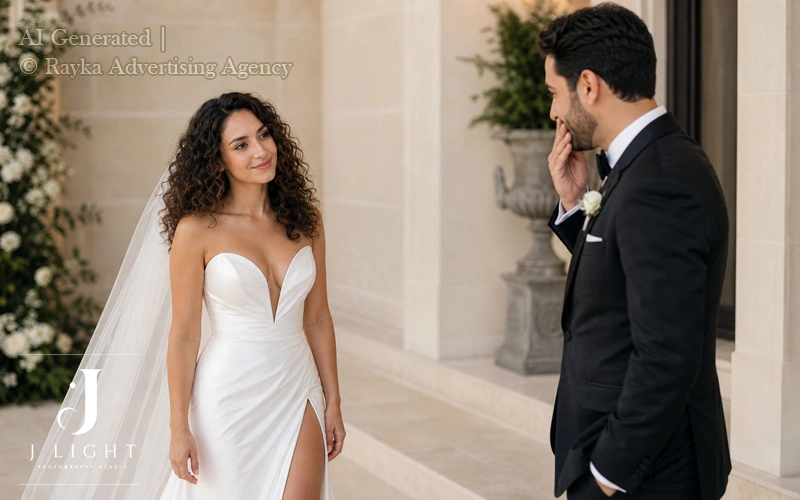
Every couple has different priorities when it comes to wedding photography. Instead of creating an extensive shot list that accounts for every possible photograph, identify the moments that hold the most personal meaning for you. Creating a short list of Must-Have Wedding Photos helps your photographer understand what matters most while still leaving room to capture spontaneous emotions and candid moments throughout the day.
- First Look: If you plan a first look, let your photographer know so they can prepare to capture your reactions naturally.
- First Kiss: Make sure your photographer knows that this key ceremony moment is a priority for you.
- Parent Reactions: Consider meaningful reactions from your parents or other close family members that you want documented.
- Wedding Traditions: Share important wedding traditions so your photographer understands when and where these moments will happen.
- Cultural Moments: Mention cultural customs, ceremonies, or meaningful details that deserve special attention.
- Private Moments: Tell your photographer about intimate moments, such as private vows or a quiet moment together, that you want to remember.
- Family Interactions: Identify meaningful interactions between you, your partner, and close family members.
- Reception Highlights: Highlight important reception moments such as speeches, dances, entrances, or special celebrations.
4. Prepare a Simple Family and Group Photo List
Family and group photos can quickly take more time than expected if everyone does not know when and where to meet. A simple family photo list helps your wedding photographer organize these combinations efficiently while keeping the session short and comfortable. Focus on the people and groupings that matter most to you rather than creating an unnecessarily long list.
What to Include in Your Family Photo List
Before the wedding day, decide which family combinations you consider essential. Keep the list clear and specific so your photographer can move efficiently from one group to the next.
- Couple With Parents: Include a photo with both sets of parents and consider separate combinations if needed.
- Couple With Siblings: Add photos with your siblings and, if relevant, their partners or children.
- Immediate Family: Include the closest family members you want to remember together in one photograph.
- Grandparents: Reserve time for photographs with grandparents, especially when mobility or timing requires extra consideration.
- Wedding Party: Plan a few group portraits with your bridesmaids, groomsmen, or entire wedding party.
- Special Family Combinations: Add meaningful combinations that reflect your family structure, relationships, or personal traditions.
Choose Someone to Help Gather Family Members
Assign a trusted family member or member of the wedding party to help gather people for group photos. This person should know the family members on the list and help locate anyone who is missing. With someone else handling this task, your photographer can focus on directing the photographs rather than spending valuable time searching for guests. This simple step can keep your family photo session organized and help your wedding photography timeline stay on track.
5. Prepare Your Wedding Details for Photography
Small wedding details can add personality and emotion to your wedding gallery, especially when they connect to your story as a couple. Preparing these items before your photographer arrives allows more time for creative detail photos and prevents you from searching for important pieces during the getting-ready portion of the day. Keep the details together so your photographer can photograph them efficiently without interrupting your preparations.
- Wedding Rings: Keep both rings together and make sure they are easily accessible for detail photographs.
- Invitations: Include your wedding invitation and other stationery that reflects your wedding style and design.
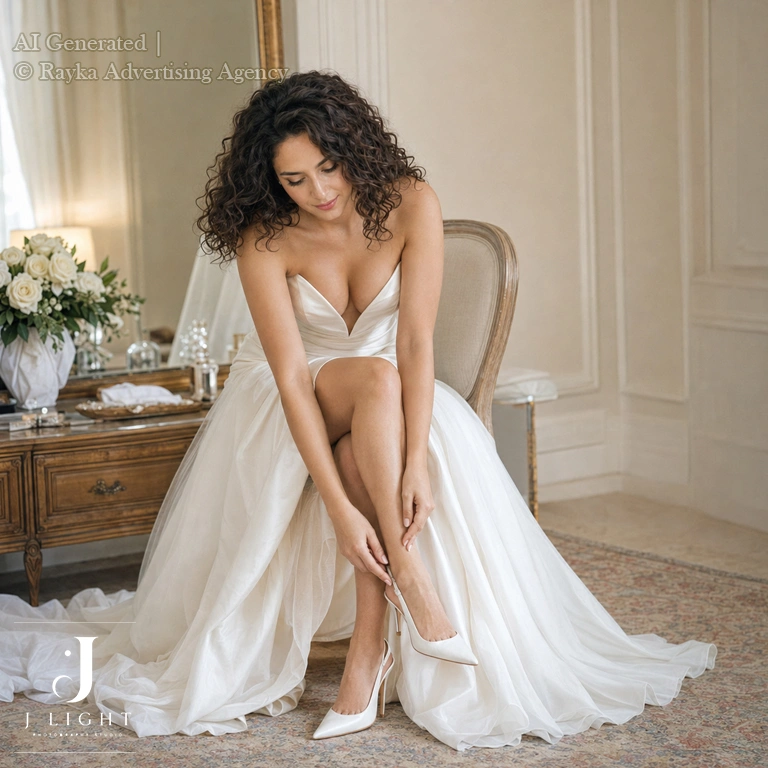
- Shoes: Have your wedding shoes ready so your photographer can capture their details alongside other accessories.
- Jewelry: Gather earrings, necklaces, watches, bracelets, or other accessories you plan to wear.
- Veil: Keep the veil unfolded and accessible, especially if you want photographs that highlight its texture and design.
- Bouquet: Ask your florist to have the bouquet ready when photography begins so your photographer can capture it while it looks fresh.
- Vow Books: Include personal vow books or handwritten notes that add an intimate element to your wedding photographs.
- Perfume: Your perfume bottle can add an elegant and personal touch to detail compositions.
- Meaningful Personal Items: Include heirlooms, family photographs, letters, gifts, or other small items that have a special meaning to you.
Create a Wedding Detail Box
A dedicated wedding detail box makes preparation much easier. Place your rings, invitations, jewelry, shoes, perfume, vow books, and other small details in one box before your photographer arrives. You can also add a few extra items that reflect your personality or wedding style. This simple preparation gives your wedding photographer everything they need to create cohesive detail photographs without delaying the rest of your wedding photography timeline.
6. Choose a Photo-Friendly Getting-Ready Space
The getting-ready space can have a noticeable impact on the quality and variety of your wedding photos. Before the wedding day, look at the room from a photography perspective and choose a space that gives your photographer enough light, room to move, and clean backgrounds. Whether you are getting ready at a hotel, private residence, or wedding venue in Ottawa, Montreal, or Toronto, a well-prepared space can make getting-ready photos feel more polished and natural.
| Getting-Ready Space Feature | Why It Matters for Wedding Photography? |
| Natural Light | Window light creates soft, flattering illumination and can add depth to portraits and candid moments. |
| Large Windows | Larger windows provide more natural light and give your photographer greater flexibility when composing photographs. |
| Clean Background | An uncluttered background keeps attention on you, your wedding party, and the important details. |
| Enough Space | A spacious room allows your photographer to move comfortably and capture moments from different angles. |
| Neutral Surroundings | Simple walls, furniture, and décor help keep the focus on people and wedding details. |
| Decluttering | Removing bags, clothing, food containers, and unnecessary objects creates cleaner and more intentional photographs. |
| Access to Different Areas | Multiple nearby spaces give your photographer more options for portraits, details, and candid photographs. |
Keep the Getting-Ready Area Clean and Clutter-Free
Before photography begins, move unnecessary bags, clothes, hangers, food, bottles, and personal belongings away from the main photography area. You do not need to make the entire room perfectly empty; simply creating one or two clean areas can give your photographer better backgrounds for portraits and candid photographs.
Look for Natural Light
When choosing your getting-ready space, prioritize rooms with large windows and good access to daylight. Natural light can create soft and dimensional photographs while giving your photographer more flexibility throughout the preparation process. If possible, avoid placing yourself directly under harsh overhead lighting when a window provides a more flattering alternative.
7. Decide Whether You Want a First Look
One of the most personal decisions in wedding photography is whether you want to see each other before the ceremony. A First Look can create additional time for portraits and reduce the photography pressure after the ceremony, while a traditional aisle reveal preserves the anticipation of seeing each other for the first time during the ceremony. Neither option is inherently better. The right choice depends on the experience, emotions, and traditions you want to have on your wedding day.
When making your decision, consider your priorities, cultural or religious traditions, ceremony schedule, and the type of wedding experience you want to remember. Your wedding photographer can also help you understand how either choice may affect your photography timeline.
8. Plan Time for Couple Portraits and Golden Hour Photos
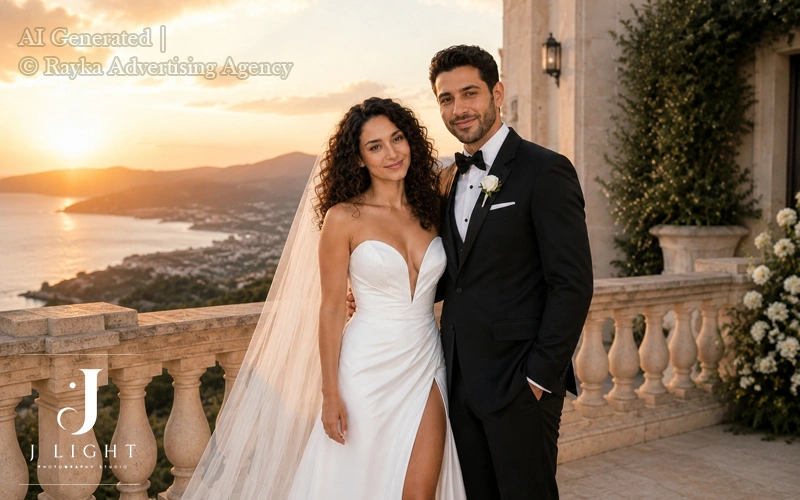
Couple portraits are an important part of your wedding photography, so avoid squeezing them into a few spare minutes between major events. Give your photographer enough uninterrupted time to create a mix of guided portraits, natural interactions, and candid images. When possible, plan part of this session around golden hour, when the softer quality of natural light can create a warm and cinematic look.
- Couple Portraits: Reserve dedicated time for portraits so you can relax, connect with your partner, and allow your photographer to explore different compositions and locations.
- Golden Hour: Check the expected sunset time for your wedding date and consider scheduling a short portrait session around golden hour for soft, warm light.
- Natural Light: Use available daylight to create natural-looking portraits with depth and dimension, particularly in outdoor locations.
- Indoor Alternatives: Have an indoor location available in case of rain, extreme temperatures, or limited outdoor access. Large windows can provide beautiful natural light indoors.
- Sunset Timing: Sunset changes throughout the year, so build your photography timeline around the actual sunset time rather than relying on a fixed schedule.
- Seasonal Differences: Winter, spring, summer, and fall offer different daylight hours and lighting conditions. Your wedding photographer can help adjust the portrait schedule according to the season and venue.
The goal is not to spend your entire wedding day taking portraits. A well-planned photography timeline simply creates enough space for beautiful couple photos while allowing you to remain present and enjoy the celebration.
9. Consider an Engagement or Pre-Wedding Photography Session
An engagement or pre-wedding photography session can help you feel more prepared before your wedding day. It gives you an opportunity to become familiar with your photographer, understand how they direct you, and discover what feels natural in front of the camera. The experience can also help your photographer understand your personalities and create a more comfortable approach for your wedding photography.
- Getting Comfortable in Front of the Camera: Practice interacting naturally with your partner so you feel less self-conscious during your wedding portraits.
- Understanding Posing: Learn simple posing techniques and natural movements that your photographer can use during your wedding session.
- Building Trust With Your Photographer: Spending time together before the wedding can help establish communication and make it easier to relax in front of the camera.
- Testing Locations: An engagement session can help you explore locations and identify settings that match the style and mood you want.
- Testing Hair and Makeup: If you plan to use the same professionals for your wedding, the session can provide an opportunity to see how your hair and makeup appear in photographs.
- Understanding Photography Style: You can experience your photographer’s approach and see how they combine guided portraits with authentic, candid moments.
An engagement session is not essential for every couple, but it can be especially valuable if you feel nervous about being photographed or want to understand the photography process before your wedding day. Couples planning their celebration in Ottawa, Montreal, or Toronto can also use an Engagement Photography session with J Light Photography Studio as an opportunity to become comfortable with a cinematic and emotional photography approach.
10. Leave Room for Candid and Unplanned Moments
Not every meaningful wedding photograph can be planned in advance. While a clear timeline and a list of Must-Have Wedding Photos can help cover important moments, leaving room for spontaneity allows your photographer to document the emotions and interactions that naturally unfold throughout the day. These unscripted moments often become some of the most personal photographs in your wedding gallery.
- Unplanned Moments: Some of the most memorable images happen when nobody expects a photograph to be taken.
- Moments Between Events: Genuine interactions can happen while you move between locations, prepare for the next part of the day, or wait for an event to begin.
- Real Family Reactions: A parent’s expression, a grandparent’s smile, or a friend’s reaction can tell an important part of your wedding story.
- Small Moments Between the Couple: A glance, touch, laugh, or quiet conversation can create an intimate photograph without posing.
- Movement, Laughter, Tears, and Conversation: Real movement and emotion can add energy and authenticity to your wedding gallery.
At J Light Photography Studio, this balance between thoughtful planning and creative freedom supports authentic moments and cinematic storytelling. Whether your wedding takes place in Ottawa, Montreal, Toronto, or elsewhere in Ontario, the goal is not to control every photograph but to create enough space for your real story to unfold naturally.
What to Do the Week Before Your Wedding Photography Session?
The week before your wedding is the right time to finalize photography details rather than make major changes to your plan. A quick review of your schedule, locations, family photo list, and important moments can help your wedding photographer arrive fully prepared and give you more peace of mind on the wedding day.
Confirm the Final Timeline
Review the wedding photography timeline with your photographer and confirm ceremony, reception, portrait, and getting-ready times. Make sure any recent schedule changes are reflected in the final version.
Send Your Family Photo List
Send your final family and group photo combinations to your photographer in advance. Keep the list focused on the people and groupings that matter most so family photos can move efficiently.
Confirm Locations and Transportation
Double-check all photography locations, venue addresses, parking arrangements, and transportation times. Allow extra time for traffic or unexpected delays, particularly when traveling between locations in Ottawa, Montreal, Toronto, or surrounding areas.
Prepare Your Wedding Details
Place your rings, invitations, jewelry, shoes, veil, vow books, and other meaningful items together in your wedding detail box. Having everything ready saves time when your photographer begins detail photography.
Check the Weather and Backup Plan
Review the forecast as the wedding approaches and discuss alternatives with your photographer if outdoor portraits depend on favorable conditions. An indoor location can provide a reliable option for portraits when rain, snow, strong winds, or extreme temperatures affect your plans.
Confirm Any Special Traditions or Important Moments
Make sure your photographer knows about any cultural traditions, religious ceremonies, private moments, surprise events, or family customs that may not appear on the standard timeline. Sharing these details ahead of time helps your photographer anticipate meaningful moments without interrupting them.
What to Do on the Morning of Your Wedding?
The morning of your wedding can become busy quickly, especially while hair, makeup, family, and wedding party preparations are taking place. A few simple steps can help keep your wedding photography timeline on track and give your photographer enough time to capture natural getting-ready photos without making you feel rushed.
Keep Your Getting-Ready Space Organized
Keep bags, clothing, food, packaging, and other unnecessary items away from the main photography area. A clean space gives your photographer better backgrounds and allows the focus to remain on you and the people sharing the moment with you.
Keep Wedding Details Together
Place your wedding rings, invitations, jewelry, shoes, veil, bouquet, vow books, and other meaningful items in one location. This makes it easier for your photographer to capture your wedding details without interrupting your preparations.
Allow Extra Time for Hair and Makeup
Build some extra time into your schedule for hair and makeup in case the preparation takes longer than expected. Avoid scheduling photography immediately after the planned finishing time, as even a small delay can affect portraits and the rest of your wedding day timeline.
Stay Hydrated and Take Short Breaks
Drink enough water and take brief breaks when your schedule allows. Staying comfortable and refreshed can help you feel more relaxed, which naturally contributes to better expressions and more authentic photographs.
Avoid Overloading Your Schedule
Leave enough breathing room between getting ready, portraits, transportation, and the ceremony. A packed schedule can create unnecessary stress and limit opportunities for candid moments. A realistic timeline gives your photographer more freedom to capture your wedding story naturally while allowing you to remain present and enjoy the morning.
How to Feel Natural in Front of the Camera
Many couples worry that they will look awkward or uncomfortable in their wedding photos. You do not need professional modeling experience or perfect poses to create beautiful images. The best wedding photographs often come from genuine connection, natural movement, and trust between you and your photographer.
You Do Not Need to Know How to Pose
Your photographer can guide you through simple poses and positioning throughout the session. Instead of memorizing poses, focus on staying comfortable and interacting naturally with your partner.
Focus on Each Other Instead of the Camera
Look at your partner, talk, laugh, hold hands, or simply enjoy a quiet moment together. Focusing on each other rather than constantly looking at the camera can create more genuine expressions and emotional photographs.
Let Your Photographer Guide You
A professional wedding photographer can provide direction while allowing your personalities to remain visible. Follow simple prompts, communicate if something feels uncomfortable, and trust your photographer to adjust the composition, lighting, and positioning.
Choose Natural Movement Over Forced Poses
Walking together, adjusting a veil, holding hands, sharing a laugh, or taking a quiet moment can create more authentic photographs than holding a rigid pose. At J Light Photography Studio, this natural approach supports a cinematic photography style that focuses on real emotions and meaningful interactions across Ottawa, Montreal, and Toronto.
Wedding Photography Preparation Checklist
A simple wedding photography preparation tips can help you stay organized without turning your wedding day into a rigid schedule. Use the following checklist at different stages of your planning to make sure the important photography details are ready and your photographer has the information needed to capture your day naturally.
Before the Wedding
Start preparing your photography details early so you have enough time to discuss your preferences and make adjustments with your photographer.
- Finalize the Timeline: Create a realistic photography timeline that includes getting ready, the ceremony, family photos, couple portraits, reception, and travel time.
- Share Important Moments: Tell your photographer about the moments, people, traditions, and events that matter most to you.
- Prepare the Family Photo List: Create a concise list of essential family and group combinations to keep formal photos organized.
- Decide on First Look: Choose between a first look and a traditional aisle reveal based on your preferred experience and wedding timeline.
- Confirm Locations: Share your getting-ready, ceremony, reception, and portrait locations with your photographer.
- Prepare Details: Gather your rings, invitations, jewelry, shoes, veil, vow books, and meaningful personal items.
One Week Before
Use the final week to confirm details rather than making major changes. A quick review can help prevent avoidable delays on the wedding day.
- Confirm the Schedule: Review the final timeline with your photographer and communicate any last-minute changes.
- Check the Weather: Review the forecast and confirm an indoor backup option if you have planned outdoor photography.
- Confirm Transportation: Double-check travel arrangements and allow enough time between photography locations.
- Prepare the Detail Box: Place your wedding details together so they are ready when your photographer arrives.
- Share Final Updates: Send any important changes, special requests, updated locations, or additional events to your photographer.
Wedding Morning
The morning should focus on staying comfortable and allowing enough flexibility for unexpected delays. These simple steps can help your photography session run smoothly while giving you more opportunities to enjoy the moment.
- Keep the Room Tidy: Remove unnecessary items from the main getting-ready area to create cleaner backgrounds for photographs.
- Keep Details Together: Keep rings, invitations, accessories, and other wedding details in one accessible location.
- Allow Buffer Time: Leave extra time between major activities so small delays do not affect the entire photography timeline.
- Stay Relaxed: Take short breaks, stay hydrated, and focus on enjoying the people around you.
- Trust Your Photographer: Follow your photographer’s guidance and allow them the creative freedom to capture natural emotions and candid moments.
Wedding Photography Tips for Ottawa, Montreal and Toronto
Planning wedding photography in Ottawa, Montreal, or Toronto requires more than choosing beautiful locations. The season, available daylight, venue layout, traffic, and travel time can all affect your wedding photography timeline. By considering these factors in advance, you can create enough flexibility for natural portraits, candid moments, and cinematic wedding photography without rushing through your celebration.
Consider the Season and Natural Light
The season can significantly influence daylight hours and photography conditions. Summer weddings usually offer longer days and more opportunities for outdoor portraits, while winter weddings may require an earlier photography schedule because daylight ends sooner. In Ottawa, Montreal, and Toronto, your photographer can help plan portrait times around the available natural light and the specific season of your wedding.
Plan Around Your Venue and Travel Time
Consider how much time you need to move between your getting-ready location, ceremony venue, reception, and portrait locations. Urban venues in Ottawa, Montreal, and Toronto can involve traffic, parking, elevators, or longer transitions than expected. Include realistic travel time in your schedule so delays do not reduce the time available for wedding photos.
Have an Indoor Backup Plan
Outdoor locations can create beautiful wedding photographs, but weather conditions can change quickly. Rain, snow, strong wind, or extreme temperatures may affect your original plans, particularly during winter weddings. Identify an attractive indoor space at your venue or nearby location so you can continue with portraits and candid photography regardless of the weather.
Leave Time for Portraits at Your Location
If your venue or wedding location has meaningful architecture, gardens, city views, or other distinctive surroundings, allow enough time to photograph there. You do not need to spend hours away from your guests; even a well-planned portrait window can give your photographer time to create a varied gallery that reflects the atmosphere of your celebration. A flexible schedule also allows J Light Photography Studio to combine natural moments with cinematic portraits while capturing the character of your wedding location.
How J Light Photography Studio Helps You Prepare?
Preparing for wedding photography becomes easier when you know what to expect and have clear communication with your photographer. At J Light Photography Studio, the preparation process focuses on understanding your plans, priorities, and personal story so the photography experience feels organized while leaving room for genuine moments.
Personalized Wedding Photography Planning
Every wedding has its own schedule, people, traditions, and priorities. J Light takes these details into consideration when planning your photography coverage, helping create an experience that reflects your celebration rather than following a one-size-fits-all approach.
Timeline and Photography Guidance
A well-planned timeline helps balance getting-ready photos, family portraits, couple portraits, the ceremony, reception, and candid moments. J Light can help you consider photography timing, transitions, and available light when preparing your wedding day schedule.
Natural and Cinematic Direction
You do not need professional posing experience to feel comfortable in front of the camera. J Light combines natural direction with a cinematic approach, helping couples interact naturally while creating portraits that feel intentional without looking overly staged.
Capturing Authentic Wedding Moments
Some of the most meaningful photographs happen outside the planned shot list. From emotional reactions to quiet moments between the couple and spontaneous interactions with family and friends, J Light focuses on authentic moments, cinematic storytelling, and attention to details to create a wedding gallery that reflects the atmosphere and emotion of your day.
Final Thoughts
Preparing for your wedding photography session is not about controlling every moment or creating a perfectly structured wedding day. The goal is to build enough structure around your timeline, locations, important details, and photography priorities so genuine moments can happen naturally. A realistic plan gives you more time to stay present, connect with your partner, and enjoy the people around you while giving your photographer the creative freedom to capture authentic emotions, candid interactions, and meaningful portraits. With thoughtful preparation and clear communication, your wedding photography can become a natural reflection of your story and the atmosphere of your celebration.
Planning your wedding in Ottawa, Montreal, or Toronto? Let J Light Photography Studio help you turn your wedding day into a cinematic visual story.
FAQs
Wedding photography often starts 2–3 hours before the ceremony to cover getting-ready moments, wedding details, and portraits. Your photographer can recommend the ideal start time based on your timeline and coverage needs.
Allow around 15–30 minutes for essential family and group photographs. A clear family photo list can help your photographer organize the combinations efficiently.
Yes. Share the moments that are especially meaningful to you, such as cultural traditions, private vows, special family interactions, or surprise events. This helps your photographer prepare without limiting candid photography.
Have your wedding rings, invitations, jewelry, shoes, veil, bouquet, vow books, and meaningful personal items together. Keeping these details in one place makes detail photography faster and more organized.
No, an engagement session is not necessary. However, it can help you become comfortable in front of the camera, understand your photographer’s direction, and build confidence before the wedding day.
Your photographer can adjust the photography plan and use an indoor location when necessary. Discuss a backup plan in advance so weather changes do not disrupt your wedding photography timeline.
Focus on each other instead of constantly looking at the camera, allow natural movement, and follow your photographer’s guidance. Genuine interaction often creates more natural and emotional wedding photographs.

Leave a Reply