
Wedding photography mistakes can affect the way couples remember one of the most important days of their lives, especially when small planning decisions create problems that cannot easily be fixed after the wedding. Your wedding photos will preserve the emotions, people, details, and moments of the day long after the celebration ends, making photography one of the few parts of your wedding that you can truly revisit for years.
Many of the most common wedding photography mistakes couples make do not happen when the camera comes out. They start weeks or even months earlier with decisions about the photographer, wedding timeline, portrait time, locations, lighting, and communication. A rushed schedule, an unrealistic shot list, or choosing a photographer without reviewing a full wedding gallery can affect the final collection more than couples expect.
Whether you are planning an intimate celebration or a large wedding in Ottawa or Montreal, understanding these potential problems can help you make better decisions before the big day. In this guide, we explore the top wedding photography mistakes couples often regret and share practical ways to avoid them, from choosing the right photographer and planning around natural light to preparing for unpredictable Canadian weather.
Why Wedding Photography Mistakes Matter More Than Couples Expect?
Wedding photography mistakes can become more noticeable after the celebration is over, when couples look back at the moments they cannot recreate. The quality of your wedding photos depends not only on the photographer you choose, but also on how well the day is planned, how much time is available, and how effectively everyone communicates before and during the wedding.
Your Wedding Day Cannot Be Recreated!
Your wedding day happens once, and many of its most meaningful moments cannot be recreated later. A First Look, the bride or groom walking down the aisle, a parent’s reaction, an emotional speech, or a spontaneous moment between family members can happen in only a few seconds.
This is why avoiding common wedding photography mistakes matters so much. If an important moment gets missed because of a rushed timeline, poor communication, or a lack of preparation, a photographer cannot simply recreate the genuine emotion of that moment after the wedding. Careful planning gives your photographer the time and opportunity to document both the moments you expect and the ones you never planned for.
Great Wedding Photos Depend on More Than the Photographer
A skilled wedding photographer plays a central role in creating beautiful images, but great wedding photography also depends on timeline, light, communication, and preparation. Even an experienced photographer has limited control when the schedule leaves no time for portraits, the best natural light has already disappeared, or important family members do not know when they need to be ready.
Think of the result as a combination of Photographer + Timeline + Light + Communication + Preparation. When these elements work together, your photographer has more freedom to capture natural expressions, meaningful interactions, creative portraits, and the small details that tell the complete story of your wedding day.
The Top Wedding Photography Mistakes Couples Regret
Choosing a wedding photographer is one of the most important decisions in your planning process, yet many couples only realize the impact of this choice after the wedding is over. The most common regrets usually come from not understanding what to look for beyond the surface; such as focusing only on price, not reviewing full wedding galleries, or not clarifying what is actually included in the package. These mistakes can directly affect how your memories are captured and how satisfied you feel with your final photos.
In this section, we will break down the most frequent wedding photography mistakes couples make so you can avoid them and make a more confident, informed decision when selecting your photographer.
1. Choosing a Wedding Photographer Based on Price Alone
One of the most common wedding photography mistakes couples make is choosing a photographer based on price alone. While wedding photography cost is an important part of your planning, the lowest quote does not always provide the best value for your wedding day. Two photographers can offer similar hours of coverage while providing very different levels of experience, editing, storytelling, communication, and final images.
When comparing wedding photographer price, look beyond the number at the bottom of the package. Consider the photographer’s style, experience, full wedding galleries, approach to candid moments, ability to work in different lighting conditions, backup equipment, and the level of support they provide before the wedding. A photographer who helps you build a realistic timeline and prepares for unexpected situations can add significant value long before the wedding day begins.
A cheap wedding photographer may appear attractive when you are working with a limited budget, but saving money can become frustrating if the coverage is too short, important moments are missed, the editing style does not match your expectations, or the photographer does not provide the level of guidance you need. The goal should not be finding the lowest price; it should be finding the right balance between cost, experience, coverage, style, and value.
This is especially important when choosing a wedding photographer in Ottawa or Montreal, where wedding packages can differ significantly in coverage hours, second photographers, engagement sessions, albums, galleries, and other deliverables. Instead of comparing prices alone, compare what each package actually includes and whether it supports the way you want your wedding story documented. Before booking, ask yourself:
- Does the photographer’s style match the way I want my wedding to feel?
- Have I reviewed a full wedding gallery rather than only selected portfolio images?
- How many hours of coverage do we actually need?
- Is a second photographer included or available?
- What happens if equipment fails?
- How much guidance will we receive before the wedding?
- What exactly will we receive after the wedding?
The best choice is not necessarily the most expensive photographer or the cheapest one. The right wedding photographer is the one whose experience, visual style, service, and package align with your priorities and expectations.
If you are comparing coverage options for your wedding, review the J Light wedding photography packages to understand what is included and choose the level of coverage that fits your plans.
2. Choosing a Photographer Without Looking at a Full Wedding Gallery
One of the most overlooked wedding photography mistakes is choosing a photographer after seeing only a selection of their best images. Social media and portfolio pages can show beautiful photographs, but they rarely demonstrate how a photographer handles an entire wedding from getting ready to the final moments on the dance floor.
Instead of asking only, “Do I like these wedding photos?”, ask a more important question: “Can this photographer tell the story of an entire wedding?”
A full wedding gallery gives you a much clearer idea of the photographer’s consistency, storytelling ability, editing style, and ability to work in different lighting and emotional situations. When reviewing a gallery, look beyond the hero portraits and pay attention to how the photographer documents the entire wedding day.
Getting Ready
Look at how the photographer captures details, interactions, preparation, and spontaneous moments before the ceremony. Strong getting-ready coverage should tell the beginning of the wedding story rather than simply show a few posed images.
Ceremony
Check whether the gallery includes important moments such as the processional, vows, ring exchange, first kiss, and reactions from family and guests. These moments require timing and awareness because they usually cannot be recreated.
Family Photos
Look for organized and well-composed family portraits as well as natural interactions between relatives. A good wedding photographer should be able to manage group combinations efficiently without making the process unnecessarily stressful.
Couple Portraits
Pay attention to whether the portraits feel natural and varied rather than looking like a collection of identical poses. The photographer should be able to create beautiful portraits while giving couples enough direction to feel comfortable in front of the camera.
Reception
Review how the photographer handles speeches, dinner, entrances, first dances, cake cutting, and other reception events. This can reveal how well they adapt to changing conditions and fast-moving moments.
Low Light
Wedding receptions often involve challenging lighting, especially in indoor venues or during evening celebrations. Look for images that remain clear, well-exposed, and visually consistent when natural light is limited.
Dance Floor
A full gallery should show whether the photographer can capture energy and movement without relying only on posed shots. Look for genuine interactions, expressions, and moments that communicate the atmosphere of the celebration.
Emotional Candids
Some of the most meaningful wedding photographs happen between the scheduled events. Look for reactions, laughter, hugs, quiet moments, and interactions between couples, family members, and guests. These images help transform a collection of photographs into a complete visual story.
When choosing a wedding photographer, reviewing a full gallery is therefore more valuable than judging a portfolio by its most impressive images alone. This is particularly useful when comparing photographers in Ottawa and Montreal, where weddings can involve different venues, weather conditions, indoor and outdoor locations, and changing light throughout the day.
A photographer who can consistently create strong images across every part of a wedding is more likely to give you a gallery that feels complete—not just a handful of beautiful photographs.
3. Building a Wedding Timeline That Leaves Too Little Time for Photos
One of the most common wedding photography timeline mistakes is trying to fit too many wedding-day events into a schedule that leaves too little time for photography. Even an experienced wedding photographer needs enough time to capture important moments without constantly rushing from one part of the day to another.
When couples ask, “How long do wedding photos take?”, there is no single answer because every wedding has a different schedule, number of guests, locations, and photography priorities. The better approach is to build a realistic timeline that gives your photographer enough time for getting ready, family photos, couple portraits, and travel between locations.
Rushing Getting-Ready Photos
Getting-ready coverage is more than taking a few photographs of the dress, suit, rings, or makeup. These hours can include meaningful interactions with parents, bridesmaids, groomsmen, and close friends, along with the small details that establish the beginning of your wedding story.
If the photographer arrives when everyone is already rushing to finish, there may be little opportunity to capture these moments naturally. Allowing enough preparation time gives your photographer room to document both the planned details and spontaneous interactions without making the morning feel more stressful.
Not Allowing Enough Time for Family Photos
Family portraits often take longer than couples expect, particularly when there are several combinations of parents, grandparents, siblings, and extended family members. Searching for missing family members or changing group combinations can quickly create delays in the rest of the wedding photography timeline.
Prepare a practical list of essential family combinations before the wedding and let your photographer know which people are most important to include. Having the key family members ready at the scheduled time can make these portraits much more efficient and leave more time for the rest of the day.
Leaving No Time for Couple Portraits
Couple portraits deserve dedicated time because they allow your photographer to work more creatively with composition, expressions, movement, and available light. Trying to take all of your portraits in a few rushed minutes can make the experience feel stressful and limit the variety of images you receive.
When planning how much time for wedding portraits, consider more than simply taking a few posed photographs. Give yourself enough breathing room to move between locations, adjust to the light, relax in front of the camera, and capture both directed portraits and natural interactions. A realistic portrait window can also make it easier to take advantage of beautiful light around sunset.
Forgetting Travel Time Between Locations
Travel time is one of the easiest details to overlook when couples plan a wedding photography timeline. Moving from a getting-ready location to the ceremony, from the ceremony to a portrait location, or from the venue to the reception can take longer than expected because of traffic, parking, walking distances, weather, or coordinating a large wedding party.
This becomes especially important for weddings in Ottawa and Montreal, where couples may choose multiple locations for getting ready, ceremonies, portraits, and receptions. Travel should be treated as part of the timeline rather than as time that exists outside the photography schedule.
For weddings with multiple locations, build a reasonable buffer between each part of the day. This gives your photographer enough flexibility to handle unexpected delays without sacrificing important photographs or forcing the rest of the schedule to run behind.
A well-planned timeline does not mean filling every minute of the wedding day. It means creating enough space for the important moments to happen naturally while giving your photographer the time needed to document them properly.
4. Ignoring Sunset and Golden Hour When Planning the Wedding
One of the wedding photography mistakes couples often overlook is planning the wedding timeline without considering the available natural light. The timing of your ceremony, couple portraits, and outdoor photography can significantly affect the look and feel of your final images, especially when you want warm, natural light during your portraits.
What Is Golden Hour?
Golden Hour is the period around sunrise or sunset when the sun sits lower in the sky and produces softer, warmer, and more directional light. For wedding photography, the period before sunset is particularly useful for creating flattering couple portraits with natural highlights, gentle shadows, and a more cinematic atmosphere.
Why Does It Matter for Wedding Portraits?
Understanding why Golden Hour matters can help you make better decisions when planning your wedding photography timeline. It is not just about having “nice light” — it directly affects how your portraits look, how your photographer works, and how much variety you can get from a short portrait session. Here are the key reasons:
- Flattering, softer light for skin tones: During Golden Hour, the sunlight becomes softer and less harsh, which helps reduce strong highlights and unflattering shadows on the face. This creates more natural and elegant-looking skin tones in your wedding portraits.
- More depth and dimension in photos: The low angle of the sun creates directional light that adds depth to your images. This helps separate the couple from the background and gives portraits a more three-dimensional, cinematic feel.
- More romantic and emotional atmosphere: The warm color temperature of Golden Hour light naturally enhances the mood of the photos. It often results in images that feel more intimate, emotional, and visually cohesive with the romantic tone of a wedding day.
- Greater creative flexibility for the photographer: With softer and more controllable light, photographers can experiment with backlighting, silhouettes, and creative compositions without needing heavy artificial lighting setups. This allows for more artistic variety in a short time window.
- Fewer harsh shadows and exposure challenges: Midday sunlight can create strong shadows under the eyes and nose, making exposure more difficult. Golden Hour minimizes these issues, allowing for more balanced and consistent results with less need for correction in post-processing.
Golden Hour can give your photographer more opportunities to create visually varied portraits without relying entirely on artificial lighting. The softer quality of the light can work especially well for romantic outdoor portraits, backlighting, silhouettes, and natural-looking images.
However, Golden Hour is not the only time when beautiful wedding photos can happen. An experienced photographer can work with different lighting conditions throughout the day. The important point is to understand when the most desirable natural light will be available and make sure your wedding photography timeline does not accidentally place your portrait session after it has disappeared.
Why Can Wedding Ceremony Time Affect Your Portraits?
The ceremony time can directly influence how much natural light remains for your couple portraits. If a ceremony runs close to sunset and includes additional formalities afterward, there may be very little time left for outdoor portraits before the light changes.
This does not mean you need to schedule your ceremony around Golden Hour in every case. Instead, consider the complete sequence of your wedding day and determine when you want to take your main portraits. You can also plan shorter portrait sessions at different points throughout the day rather than relying on one photography window.
Why Should Couples Check Sunset Time Before Finalizing Their Timeline?
Before locking in your wedding day schedule, it is important to understand how sunset time can shape the quality and availability of your natural light. Many couples focus on venue timing and reception flow, but overlook how quickly daylight can change especially during key portrait moments. Checking sunset in advance helps you and your photographer make more intentional decisions about when to plan your most important photos. Here are the main reasons why this step matters:
- To ensure you don’t miss the best natural light for portraits: Sunset determines when Golden Hour begins and ends. If your couple portraits are scheduled too late, you may lose access to soft, warm light and end up relying on harsher or artificial lighting instead.
- To avoid rushing your photography session: When sunset is not considered, portrait time often gets squeezed between ceremony and reception. This can lead to stress, limited creativity, and fewer opportunities for relaxed, natural images.
- To better coordinate your ceremony and reception timing: Knowing the exact sunset time helps you structure your day more realistically. You can decide whether to hold portraits before the ceremony, during Golden Hour, or split them into multiple shorter sessions.
- To adapt your plan to seasonal light changes: In places like Ottawa and Montreal, sunset can vary dramatically depending on the season. Checking it in advance ensures your timeline is aligned with the actual daylight available on your specific wedding date.
- To give your photographer more creative flexibility: When light is planned intentionally, your photographer can use it more effectively for backlit shots, silhouettes, and natural skin tones, resulting in a more diverse and visually rich gallery.
5. Trying to Control Every Photo With an Overly Long Shot List
Creating a wedding photography shot list can be helpful, especially when there are specific people, family combinations, traditions, or details that you do not want to miss. However, one of the common wedding photography mistakes couples make is turning a helpful checklist into a detailed script for every photograph.
Your photographer needs enough direction to understand what matters most to you, but also enough creative freedom to respond to moments as they happen. Documentary storytelling depends on observing genuine interactions, emotions, movement, and unexpected moments that cannot always be planned in advance.
A useful shot list should identify the photographs that are important to you without dictating every pose or composition.
Useful Shot List
A short, focused list can help your photographer prioritize the people and moments that matter most.
- Important family combinations: Include the essential family groupings you want to photograph, such as parents, grandparents, siblings, or immediate family. This helps make formal family portraits more organized and reduces the chance of forgetting an important combination.
- Important people: Let your photographer know about guests who have a particularly important role in your lives. This can include close friends, relatives traveling from far away, or family members who you especially want documented throughout the day.
- Cultural traditions: If your wedding includes cultural, religious, or family traditions that may not be obvious to your photographer, mention them in advance. This allows the photographer to understand when an important moment is about to happen and be ready to document it.
- Personal details: Share details that have personal meaning, such as heirlooms, meaningful jewelry, handwritten notes, family photographs, or other elements you have intentionally included in the wedding.
- Must-have moments: Identify moments that you consider essential, such as a specific family reaction, a special exchange between the couple, or a particular part of the ceremony or reception. These priorities give your photographer a clear understanding of what you would regret not seeing in your final gallery.
Unhelpful Shot List
A shot list becomes counterproductive when it tries to control every creative decision throughout the wedding. Instead of helping your photographer, an overly detailed list can consume valuable time and prevent genuine moments from unfolding naturally.
- 50+ Pinterest poses: Saving a few examples for inspiration can help communicate your preferences, but asking for dozens of specific poses can make the portrait session feel repetitive and leave less time for natural interactions and creative direction.
- Exact recreation of another photographer’s image: A reference image can communicate a general mood or composition, but an exact recreation may not work with your venue, lighting, clothing, surroundings, or personalities. Your photographer should adapt ideas to your actual wedding rather than copy another couple’s photograph.
- Every tiny pose: Listing every hand position, facial expression, angle, and movement can make portraits feel mechanical. Giving your photographer room to guide you naturally often produces more authentic images and greater variety.
The goal of a wedding photography shot list is to communicate priorities, not control the entire gallery. Share the moments that matter most and trust your photographer to document everything around them. This balance gives you the security of knowing your must-have photographs are covered while preserving the spontaneity that makes documentary-style wedding photography meaningful.
6. Forgetting to Tell Your Photographer What Matters Most to You
Another wedding photography mistake couples can regret is assuming that their photographer will automatically know which people and moments matter most to them. A professional wedding photographer can anticipate many important parts of the day, but no one knows your relationships, family history, and personal priorities better than you do.
This is where must-have moments become valuable. Instead of creating an exhaustive list of every photograph you want, tell your photographer about the people, relationships, traditions, and details that have special meaning to you. This gives them the context they need to tell your wedding story in a more personal and intentional way.
- Grandparents: If your grandparents have a special place in your life, let your photographer know. Their reactions, conversations, hugs, and interactions with you can become some of the most meaningful photographs in your gallery.
- Parents’ reactions: Tell your photographer if capturing your parents’ reactions during the ceremony, speeches, First Look, or other emotional moments is particularly important to you. These expressions often happen quickly and can easily become missed without prior awareness.
- Cultural traditions: Every wedding has traditions that may carry a deeper meaning for the couple and their families. Explain important cultural or religious moments beforehand so your photographer understands their significance and knows when to be ready.
- Personal details: Share the story behind details that matter to you, such as a handwritten letter, meaningful jewelry, a family photograph, or an item that has been passed down through generations. Knowing the significance behind these details helps your photographer prioritize them appropriately.
- Important guests: If there are people you especially want photographed, tell your photographer who they are. This can include lifelong friends, relatives traveling from another country, or someone who played an important role in bringing you together.
- A family member who cannot attend: If someone important to you cannot be present at the wedding, mention them before the day. Your photographer may be able to document a meaningful detail, photograph a tribute, or capture a moment that connects their presence to the celebration.
- Special heirlooms: Family heirlooms can add personal meaning to your wedding photographs. Whether it is a piece of jewelry, a vintage accessory, a family photograph, or another sentimental object, identifying these items in advance ensures they receive the attention they deserve.
Sharing these priorities does not mean asking your photographer to stage every moment. It simply gives them a better understanding of what you would never want to miss. When your photographer knows what matters most to you, they can combine that information with their experience and observation to capture meaningful moments naturally.
The best wedding photography tips are not always about poses or camera techniques. Sometimes, the most valuable preparation is simply telling your photographer which people, relationships, and memories you want your final gallery to preserve.
7. Skipping the First Look or Pre-Wedding Planning Without Understanding the Trade-Offs
A First Look is a planning choice, not a photography requirement. Some couples love the idea of seeing each other privately before the ceremony, while others want to experience that first moment when one partner walks down the aisle. Neither option is inherently better for wedding photography; the important thing is understanding how each choice affects your timeline and the way your day unfolds.
A First Look can create several practical advantages for couples who want to make more time for photographs before the ceremony. However, couples who prefer a traditional ceremony reveal can still have beautiful wedding photos with thoughtful planning.
- A First Look can create more time for portraits: Seeing each other before the ceremony can allow couples to complete some or all of their couple portraits, wedding party photos, and selected family portraits earlier in the day. This can create a more relaxed photography schedule later.
- It can reduce pressure after the ceremony: Without a First Look, couples may have to fit family photos, wedding party portraits, and couple portraits into the period between the ceremony and reception. A First Look can move some of these photographs earlier and give couples more time to enjoy their reception.
- It can create a private moment before the ceremony: Some couples appreciate having a quiet moment together before the formal part of the wedding begins. This can also create an opportunity for genuine reactions and emotional photographs away from the attention of guests.
- Skipping the First Look can preserve the traditional reveal: For couples who want their first sight of each other to happen during the ceremony, skipping a First Look can make that moment especially meaningful. The photographer can still capture the anticipation beforehand and the reactions as the couple sees each other for the first time.
- Your wedding photography timeline should reflect your preference: If you choose not to have a First Look, make sure your timeline provides enough time after the ceremony for family portraits, wedding party photographs, and couple portraits. If you do choose one, your photographer can help determine which photographs make the most sense to complete beforehand.
There is no universal answer to “Should we do a First Look?” The better question is: “Which option fits the experience we want on our wedding day?” Consider your priorities, ceremony traditions, venue schedule, available daylight, and how much time you want to spend taking photographs before making the decision.
Whether you choose a First Look or wait until the ceremony, communicating your preference with your photographer early allows them to build a wedding photography timeline that protects the moments that matter most to you.
8. Forgetting About Bad Weather in Ottawa and Montreal
Weather is one of the wedding photography factors couples cannot control, but they can prepare for it. This becomes especially important for Ottawa and Montreal weddings, where rain, snow, cold temperatures, wind, and seasonal changes in daylight can affect outdoor photography.
One of the biggest wedding photography mistakes couples make is treating an outdoor portrait plan as if the weather will always cooperate. A strong backup plan does not mean expecting bad weather; it means making sure your photography timeline can adapt without sacrificing the most important photographs of the day.
The Ottawa Wedding Photography Mistake; Having No Winter or Rain Backup Plan
Ottawa weddings can involve challenging outdoor conditions, particularly during the colder months. Snow, freezing temperatures, wind, rain, and shorter winter daylight can make extended outdoor portrait sessions uncomfortable or impractical for couples and wedding parties. When planning Ottawa wedding photography, consider the following:
- Snow: Snow can create beautiful, bright, and atmospheric wedding portraits, but couples should not rely on long outdoor sessions without considering comfort and safety. A nearby indoor location can provide an alternative when conditions become difficult.
- Freezing temperatures: Very cold weather can quickly make an outdoor portrait session uncomfortable. Plan shorter outdoor photography windows and identify a warm indoor location where you can continue taking photographs if necessary.
- Rain: Rain does not automatically mean that outdoor wedding photos are impossible. However, your photographer should know about the available covered or indoor spaces so the timeline can change without losing valuable portrait time.
- Wind: Strong wind can affect hair, clothing, veils, and the overall comfort of the couple. A flexible location plan gives your photographer more control over the environment and allows them to choose sheltered areas when needed.
- Shorter daylight in winter: Winter weddings can have significantly less daylight than summer celebrations. Check the sunset time for your exact wedding date and plan outdoor portraits accordingly rather than assuming you will have plenty of natural light.
- Outdoor portrait limitations: Extreme cold or wet conditions may limit how long you can comfortably remain outside. Planning shorter outdoor sessions combined with indoor portraits can provide greater variety while keeping the experience enjoyable.
The goal is not to avoid outdoor photography completely. Instead, build a rain and winter backup plan into your wedding photography timeline so your photographer can adapt to changing conditions without rushing the rest of the day.
The Montreal Wedding Photography Mistake; Relying Entirely on Outdoor Portraits
Montreal offers many visually interesting outdoor settings for wedding photography, but relying entirely on outdoor portraits can create unnecessary stress when weather conditions change. Rain, snow, wind, wet streets, and low light can quickly alter the conditions you planned for. For Montreal wedding photography, consider these practical preparations:
- Rain: Keep an indoor portrait option available instead of making the entire photography schedule dependent on clear skies. If the weather remains manageable, your photographer can also use the rain creatively for atmospheric images.
- Snow: Snow can add texture and visual interest to winter portraits, but couples should have an indoor alternative when temperatures or conditions become uncomfortable.
- Wet streets: After rain or melting snow, reflections and wet surfaces can sometimes create interesting compositions. At the same time, couples should have footwear and clothing considerations in mind when moving between locations.
- Wind: Strong wind can make outdoor portraits difficult, particularly when working with veils or formal clothing. Sheltered areas and indoor alternatives give your photographer more flexibility.
- Indoor alternatives: Identify a venue space or nearby indoor location where portraits can continue if outdoor conditions become unsuitable. An indoor backup does not have to replace outdoor photography completely; it can simply protect the timeline from unexpected weather.
- Clear umbrellas: A clear umbrella can provide practical protection from light rain while allowing natural light to reach the couple. It can also become a visual element in the photographs rather than something that needs to be hidden.
- Low-light photography: If weather or the season limits natural light, your photographer may need to work with available indoor light or use artificial lighting creatively. When reviewing a photographer’s full wedding gallery, look for examples of their work in challenging or low-light conditions.
Bad weather does not automatically result in bad wedding photographs. In fact, rain, snow, reflections, dramatic skies, and low-light conditions can create images that feel distinctive and cinematic. The important part is having enough preparation and flexibility to let your photographer work with the conditions rather than forcing the entire day to depend on perfect weather.
9. Planning Beautiful Locations Without Considering the Photography Logistics
A beautiful location does not automatically make a good wedding photography location. One of the common wedding photography mistakes couples make is choosing a location because it looks impressive in photos without considering how practical it will be on the wedding day.
Instead of asking only, “Is this location beautiful?”, ask a more important question: “Is this location practical for our wedding photography timeline?”
A location should work with your schedule, available light, transportation, weather conditions, and the amount of time you actually have for portraits. Before adding another stop to your wedding day, consider the following factors:
Distance
A location may look close on a map but still require significant travel time from your ceremony or reception venue. Every additional location can reduce the time available for portraits and candid photography.
Travel time
Include the actual journey in your wedding photography timeline rather than treating it as separate from the photography schedule. Traffic, road conditions, walking distances, and unexpected delays can all affect the time available for photographs.
Parking and access
Consider whether the couple, wedding party, and photographer can easily reach the location and unload equipment. Difficult parking or restricted access can create unnecessary delays.
Weather
An outdoor location may look perfect on a sunny day but become difficult to use during rain, snow, strong wind, or extreme temperatures. Check whether the location still works when conditions change.
Lighting
A beautiful background is not enough if the available light does not work well at the time you plan to visit. Ask your photographer how the location may look at your scheduled portrait time rather than judging it only from online photographs.
Crowds
Popular public spaces can become busy, particularly during weekends and peak wedding seasons. Crowds can affect privacy, composition, movement, and the amount of time your photographer needs to create clean images.
Indoor backup
If you are planning outdoor portraits, identify an indoor alternative nearby. This gives your photographer another option if weather or lighting conditions make the original plan impractical.
Time available
Every additional location requires time to travel, get organized, photograph, and leave. Sometimes spending more time at one well-chosen location produces a stronger gallery than trying to visit several places in a single afternoon.
For Ottawa wedding photography, couples may consider urban settings, parks, and areas around Downtown when planning their portraits. The important consideration is not simply how attractive a location looks, but how well it fits the rest of the day’s schedule and the available natural light.
The same principle applies to Montreal wedding photography. Urban environments, Old Montreal, and outdoor locations can offer distinctive backgrounds and architectural details, but couples should still consider travel time, crowds, weather, accessibility, and the time available for portraits before adding multiple locations to the timeline.
A practical location can often produce better results than a spectacular location that forces you to rush. When choosing your wedding photo locations, work with your photographer to balance visual appeal, lighting, accessibility, travel time, and the overall flow of your wedding day. This allows you to enjoy the locations without sacrificing the moments that matter most.
10. Rushing Couple Portraits Because You Feel Awkward in Front of the Camera
Feeling awkward in front of a camera is completely normal, especially for couples who do not have professional photography experience. One of the wedding photography mistakes couples make is rushing their couple portraits because they assume they need to know how to pose or look natural on their own.
You do not need to know how to pose. A skilled wedding photographer should provide enough direction to help you feel comfortable while leaving room for genuine interaction and natural expressions. The goal is not to make you perform for the camera; it is to create an environment where your connection can come through naturally.
- Couples do not need professional modeling experience: Most couples are not professional models, and they do not need to be. Your photographer can guide your positioning, movement, hands, posture, and interaction while adapting the direction to your personalities.
- Natural interaction produces stronger images: Some of the most meaningful couple portraits come from simple interactions rather than complicated poses. Walking together, talking, laughing, holding hands, or taking a quiet moment together can create photographs that feel personal and authentic.
- Your photographer should provide direction when needed: Good direction does not mean forcing you into rigid poses. Your photographer can give you simple prompts and adjustments, then allow genuine reactions to develop. This approach can help couples who feel uncomfortable in front of the camera relax during the session.
- Too many poses can make images feel forced: Trying to complete a long list of poses can make the portrait session feel like a performance. Focusing on a smaller number of natural movements and interactions gives your photographer more opportunities to capture different expressions, compositions, and moments.
This is also why natural wedding photography and candid wedding photography often work well together. Directed portraits can provide polished and intentional images, while candid photographs preserve the spontaneous emotions and interactions that happen between those portraits.
Instead of worrying about whether you know how to pose, focus on being present with each other. Give your photographer enough time to guide you, experiment with different lighting and compositions, and capture the moments that happen naturally between the planned photographs.
11. Letting Phones and Guests Interrupt Important Photography Moments
Guests usually want to capture and celebrate your wedding day, but too much guest photography can sometimes interfere with professional coverage. One of the less obvious wedding photography mistakes couples make is not considering how phones, cameras, and unexpected interruptions can affect important moments.
Professional wedding photography requires the photographer to anticipate reactions, find the right position, and work with the available light. When guests move into the aisle, step in front of the couple, or gather around during portraits, they can unintentionally block important photographs or change the way a moment unfolds. Common examples include:
- Guests stepping into the aisle: Guests who stand in the aisle to photograph the processional or first kiss can block the professional photographer’s view. This can be particularly problematic during moments that happen only once.
- Phones during the ceremony: A large number of phones raised during the ceremony can become distracting elements in the background of otherwise meaningful photographs. They can also make it harder for the photographer to find clean compositions.
- Guests taking photos during couple portraits: Well-meaning friends and family members may try to photograph the couple during their portrait session. This can make couples feel self-conscious and divide their attention between the professional photographer and the people watching.
- Unplanned interruptions during Golden Hour: Golden Hour provides a limited window of beautiful natural light. If the couple’s portrait session is repeatedly interrupted, valuable time can disappear before the photographer has finished working with the light.
- Guests trying to recreate professional shots: A family member may ask the couple to stop and recreate a photograph for their own camera. While this can be harmless, repeated interruptions can reduce the time available for the photographer’s planned coverage.
How to Avoid Guest-Related Photography Interruptions?
You do not need to prevent guests from taking photographs throughout the entire wedding. A few simple preparations can help protect the moments that require professional coverage.
- Consider an unplugged ceremony: Asking guests to keep their phones and cameras away during the ceremony can give your photographer a clear view and allow everyone to remain present during the most important moments.
- Inform immediate family: Let parents, siblings, and members of the wedding party know when professional portraits are taking place. This helps prevent people from interrupting or pulling the couple away during a short photography window.
- Coordinate with your photographer and planner: Your photographer and wedding planner or coordinator can work together to manage the flow of people during key moments. Clear communication is particularly helpful during the ceremony, family portraits, and couple portraits.
- Protect a short dedicated portrait window: Set aside uninterrupted time for couple portraits, particularly when you want to use Golden Hour light. Even a short period without distractions can give your photographer much more freedom to create natural and varied images.
The goal is not to stop your guests from enjoying the wedding or taking personal photographs. It is simply to protect the moments where timing, light, and positioning matter most so your professional photographer can document them without unnecessary interruptions.
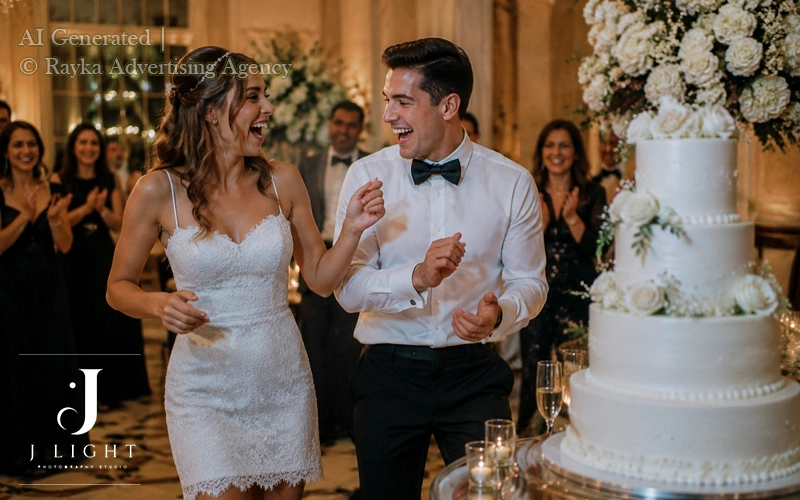
12. Not Understanding What Is Included in Your Wedding Photography Package
Comparing wedding photography packages based only on their total price can lead to unexpected costs and disappointment later. One photographer may offer a lower wedding photography cost but include fewer hours, less coverage, or fewer final deliverables, while another package may provide more comprehensive coverage at a higher initial price.
Before booking a wedding photographer, make sure you understand exactly what you are paying for and what is included in the package. The details can make a significant difference to the overall value of your wedding photography.
- Hours of coverage: Check how many hours the package includes and whether they cover the parts of the day that matter most to you, from getting ready through the reception.
- Number of photographers: Find out whether one photographer or multiple photographers will cover your wedding. Additional photographers can provide broader coverage, particularly for larger weddings or events with multiple locations.
- Engagement session: Some packages include an engagement session while others offer it separately. An engagement session can also give you an opportunity to become more comfortable in front of the camera before the wedding.
- Second shooter: A second shooter can photograph different parts of the wedding simultaneously, capture additional guest reactions, and provide another perspective during busy parts of the day.
- Sneak peeks: If receiving a small selection of photographs shortly after the wedding is important to you, check whether sneak peeks are included and what the expected timeframe is.
- Digital gallery: Confirm how your final photographs will be delivered, whether you receive a private online gallery, and how you can download or share your images.
- Albums and prints: If you want a physical wedding album or professional prints, check whether they are included in the package or available as additional products.
- Delivery timeline: Ask when you can expect your complete wedding gallery. The delivery timeline can vary depending on the photographer’s workflow, editing process, and season.
- Travel fees: If your wedding involves locations outside the photographer’s standard service area, ask whether additional travel or accommodation costs apply.
- Additional coverage: Find out how much additional coverage costs if your wedding runs longer than expected. Knowing this in advance can help you make a more realistic decision about the number of hours you need.
The right package is not necessarily the one with the lowest wedding photographer price. It is the package that provides the coverage, services, and final products that match your priorities. Understanding these details before booking also makes it easier to compare photographers fairly and avoid unexpected expenses.
If you are planning your wedding in Ottawa or Montreal, you can review the J Light wedding photography packages to compare available coverage options and determine which package best fits your wedding timeline and photography needs.
How to Avoid Wedding Photography Regrets: A Simple Pre-Wedding Checklist?
The easiest way to avoid wedding photography regrets is to make a few important decisions before the wedding day rather than trying to solve everything when the celebration is already underway. This simple checklist can help you prepare your photographer, timeline, locations, and priorities so there is enough time and flexibility to capture the moments that matter most.
Before Booking Your Wedding Photographer
Choosing the right photographer starts with looking beyond a portfolio and comparing the complete experience.
- Review a full wedding gallery: Look at complete wedding coverage from getting ready through the reception, not just a selection of the photographer’s best images.
- Compare photography styles: Decide whether you prefer a documentary, candid, editorial, traditional, artistic, or a combination of photography styles, and make sure the photographer’s portfolio reflects that approach consistently.
- Ask about experience with similar weddings: If you are planning a large celebration, a multi-location wedding, a winter wedding, or a wedding with challenging lighting, ask whether the photographer has experience handling similar conditions.
- Understand the package: Confirm the hours of coverage, number of photographers, engagement session, second shooter, digital gallery, albums, delivery timeline, travel fees, and additional coverage before booking.
Before the Wedding
Once you have chosen your photographer, preparation becomes just as important as the booking decision.
- Share your priorities: Tell your photographer about the people, traditions, relationships, and details you would especially want documented. These must-have moments help your photographer understand what matters most to you.
- Build a realistic timeline: Make sure your schedule allows enough time for getting ready, family photos, couple portraits, travel, and unexpected delays. Avoid filling every part of the day with back-to-back events.
- Check sunset: Look up the actual sunset time for your wedding date and discuss it with your photographer. This is particularly important when you want to plan portraits around Golden Hour.
- Plan family combinations: Prepare a concise list of essential family groupings and identify the people who need to be present for those photographs. This can make formal portraits much more efficient.
- Prepare a weather backup: If you are planning outdoor photography, identify an indoor alternative and discuss how rain, snow, wind, or extreme temperatures could affect your timeline.
On the Wedding Day
Good preparation gives you a strong foundation, but the wedding day itself should still have room for real moments to happen.
- Leave breathing room: Avoid creating a timeline where every minute is scheduled. A small amount of buffer time can help absorb delays without affecting your most important photographs.
- Trust your photographer: You hired your photographer for their experience and creative judgment. Give them the freedom to respond to changing light, unexpected moments, and genuine interactions.
- Stay present: Try not to spend the day worrying about whether every photograph is happening exactly as planned. Being present with your partner, family, and guests creates opportunities for authentic images.
- Protect portrait time: Treat your couple portrait session as an important part of the wedding timeline rather than something that can be removed when the schedule becomes busy.
- Let candid moments happen: Not every meaningful photograph needs to be planned. Give your photographer space to observe conversations, reactions, laughter, embraces, and other spontaneous moments throughout the day.
Following this checklist does not mean trying to control every detail of your wedding photography. The goal is to prepare for the important elements while leaving enough flexibility for your photographer to document the moments you could never have planned.
Ottawa vs. Montreal Wedding Photography; What Couples Should Plan For?
Planning wedding photography in Ottawa or Montreal requires more than choosing beautiful locations. The season, daylight, weather, travel between locations, and the balance between indoor and outdoor photography can all influence your wedding photography timeline.
Although both cities offer excellent opportunities for wedding photography, the practical considerations can vary depending on your venue, wedding date, and photography plans. The following comparison can help you identify the factors worth discussing with your photographer before finalizing your timeline.
| Planning Factor | Ottawa | Montreal |
| Winter conditions | Snow and cold temperatures can affect the length and comfort of outdoor portrait sessions. | Snow, cold temperatures, and changing winter conditions can require a flexible photography plan. |
| Outdoor portraits | Allow flexibility for changing weather and consider an indoor alternative. | Allow flexibility for rain or snow and have an indoor option available if conditions change. |
| Urban photography | Downtown and surrounding areas can provide a mix of urban and natural settings. | Strong urban and editorial opportunities can be found throughout the city and in distinctive architectural environments. |
| Backup plan | Particularly important for winter and outdoor weddings. | Particularly important for weddings with significant outdoor photography during rain or snow seasons. |
| Timeline | Sunset varies significantly by season, so plan portraits around the actual sunset time on your wedding date. | Sunset also varies significantly by season, making the exact wedding date important when planning outdoor portraits. |
| Travel | Consider travel time between getting-ready locations, ceremony venues, portrait locations, and receptions. | Consider urban traffic, parking, and transitions between multiple photography locations when building the timeline. |
Questions to Ask Your Wedding Photographer Before Booking
Before booking a wedding photographer, asking the right questions can help you compare photographers based on experience, approach, communication, and value rather than price alone. These questions are especially useful when comparing wedding photographers in Ottawa and Montreal.
- Can We See a Full Wedding Gallery?
- How Do You Handle Low-Light Receptions?
- What Happens If It Rains or Snows?
- How Much Time Do You Recommend for Portraits?
- Will You Help Us Build Our Photography Timeline?
- Do You Photograph Candid Moments as Well as Portraits?
- What Happens If You Are Unavailable on the Wedding Day?
- When Will We Receive Our Wedding Gallery?
- What Is Included in the Package?
- Do You Photograph Weddings in Both Ottawa and Montreal?
Final Thoughts; Your Wedding Photos Should Feel Like Your Day
The goal of wedding photography is not to create a perfectly controlled wedding day. The goal is to create enough space for your photographer to document it honestly, beautifully, and naturally.
The best wedding galleries are not made up only of perfectly posed portraits. They also include the laughter you did not plan, the reaction you did not see, the quiet moments between events, the people who made your day meaningful, and all the small details that bring the memories back years later.
Good planning gives your photographer the time, light, access, and information they need to do their best work. After that, trust the process. Stay present with each other, enjoy your guests, and allow some moments to unfold without trying to control how they will look in photographs.
Whether you are planning a wedding in Ottawa or Montreal, your photography should reflect the way your wedding actually felt not a collection of moments that were forced into a schedule.
At J Light Photography Studio, we combine thoughtful planning with natural, story-driven wedding photography to create images that feel personal to each couple. If you are ready to plan your wedding photography, explore our packages to find the coverage that fits your day and your priorities.
FAQs
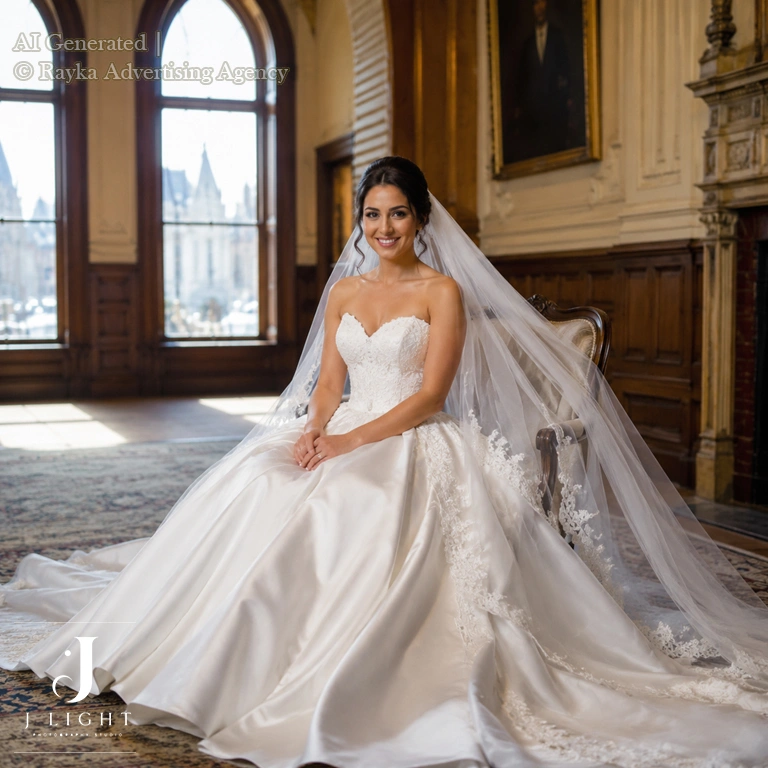
The biggest mistake is trying to control every photo. Give your photographer enough freedom to capture genuine moments naturally.
Allow at least 30–45 minutes for couple portraits, with additional time for family and wedding-party photos.
Yes. Ottawa weather can change quickly, so having an indoor location or covered option helps keep your photography schedule on track.
Ask about their photography style, experience, packages, turnaround time, backup equipment, and how they handle unexpected wedding-day situations.
No. A short list of important family combinations and must-have moments is usually enough. Too many planned shots can make the day feel rushed.
A first look can create more time for portraits and reduce schedule pressure, but it is not necessary for beautiful wedding photos.

Leave a Reply